vol ix: dancer ada leonie
Women in Motion, Volume 9
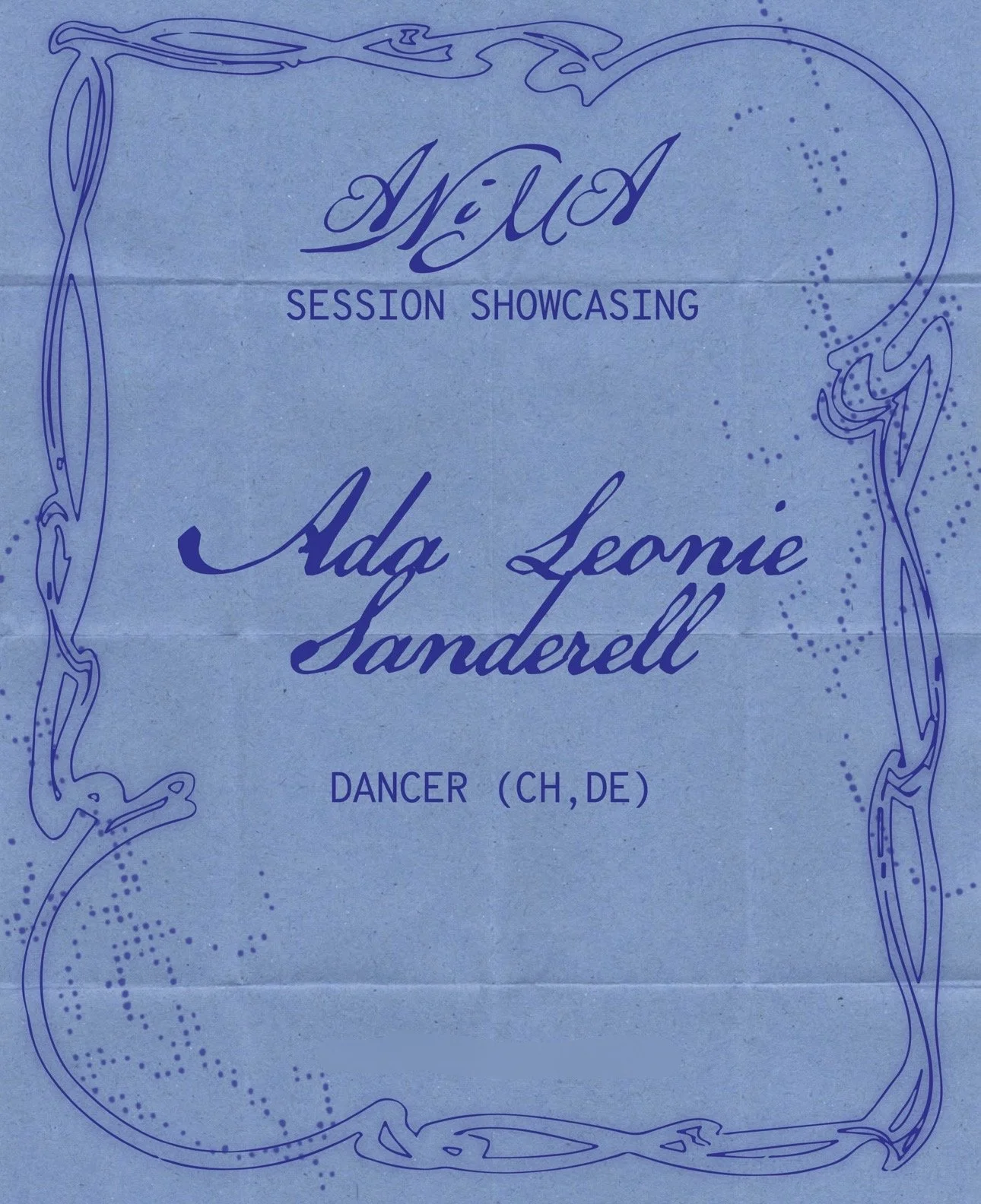
Showcasing Ada Leonie Sanderell
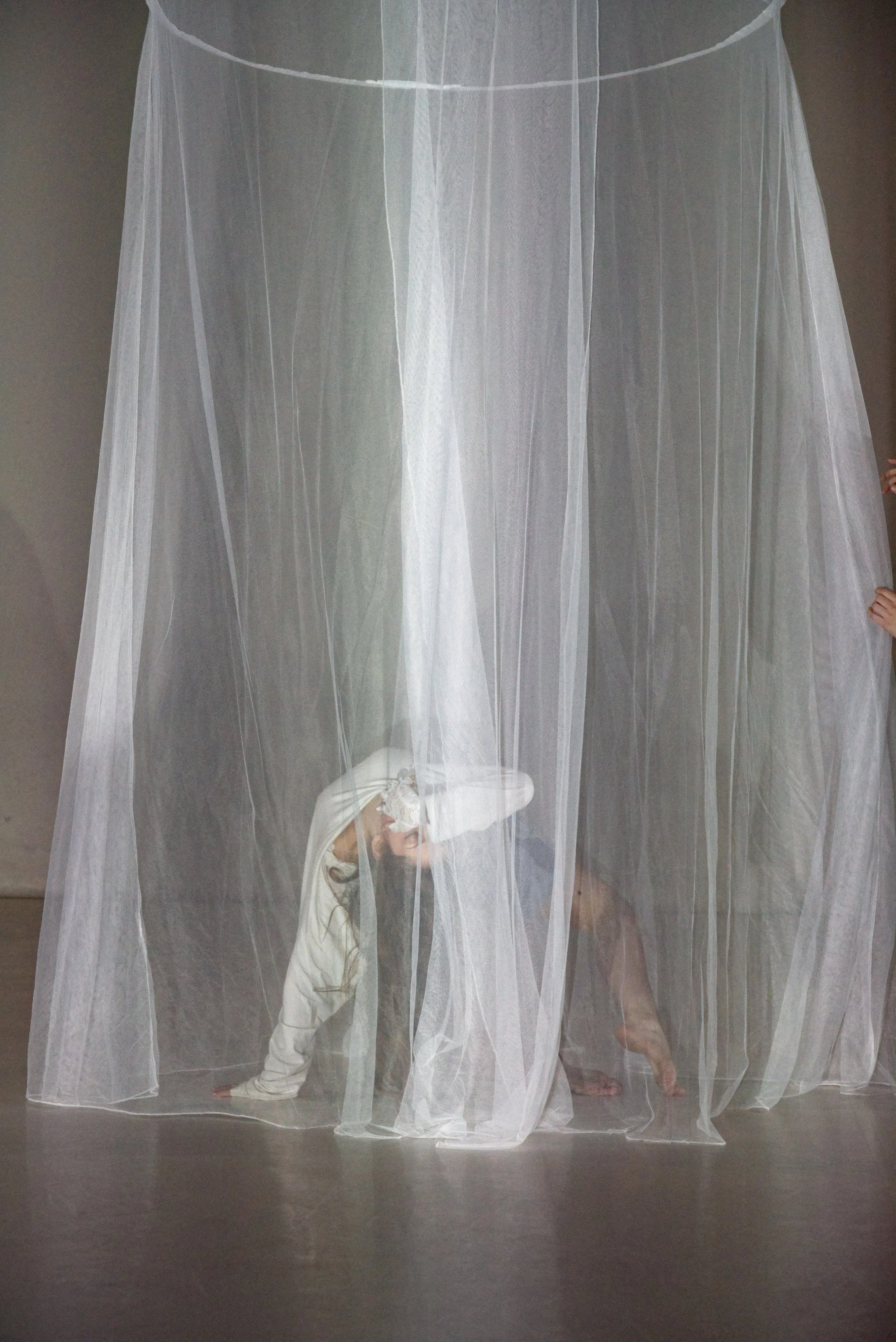
Ada and I first met through a mutual friend she was visiting, while spending a summer evening in a park in Amsterdam West. What began as a casual conversation soon led us into the world of lucid dreams, shifting realities and the graduation choreography she had created around them. I was fascinated by the way she used movement to explore what happens beyond the boundaries of our waking mind. Having recently completed her dance education at Danceworks Berlin, Ada is now preparing to continue her training in Rome.
What is your earliest memory of dance?
I was around six years old when my parents wanted me to choose a hobby. I actually wanted to play football, but there was only a boys’ team in the village where I grew up. I could have joined, but the thought of being the only girl held me back.
I still have this very vivid memory of walking with my mother on a summer day. We passed an open window and I heard classical music coming from inside. There were leaves moving in front of it, and when I asked what was happening, my mother said it was probably a ballet class. I immediately thought, “That is what I want to do.”
It almost sounds too much like a scene from a film, but I can still remember the image and the feeling of that day so clearly. Soon afterwards, my mother signed me up for ballet.
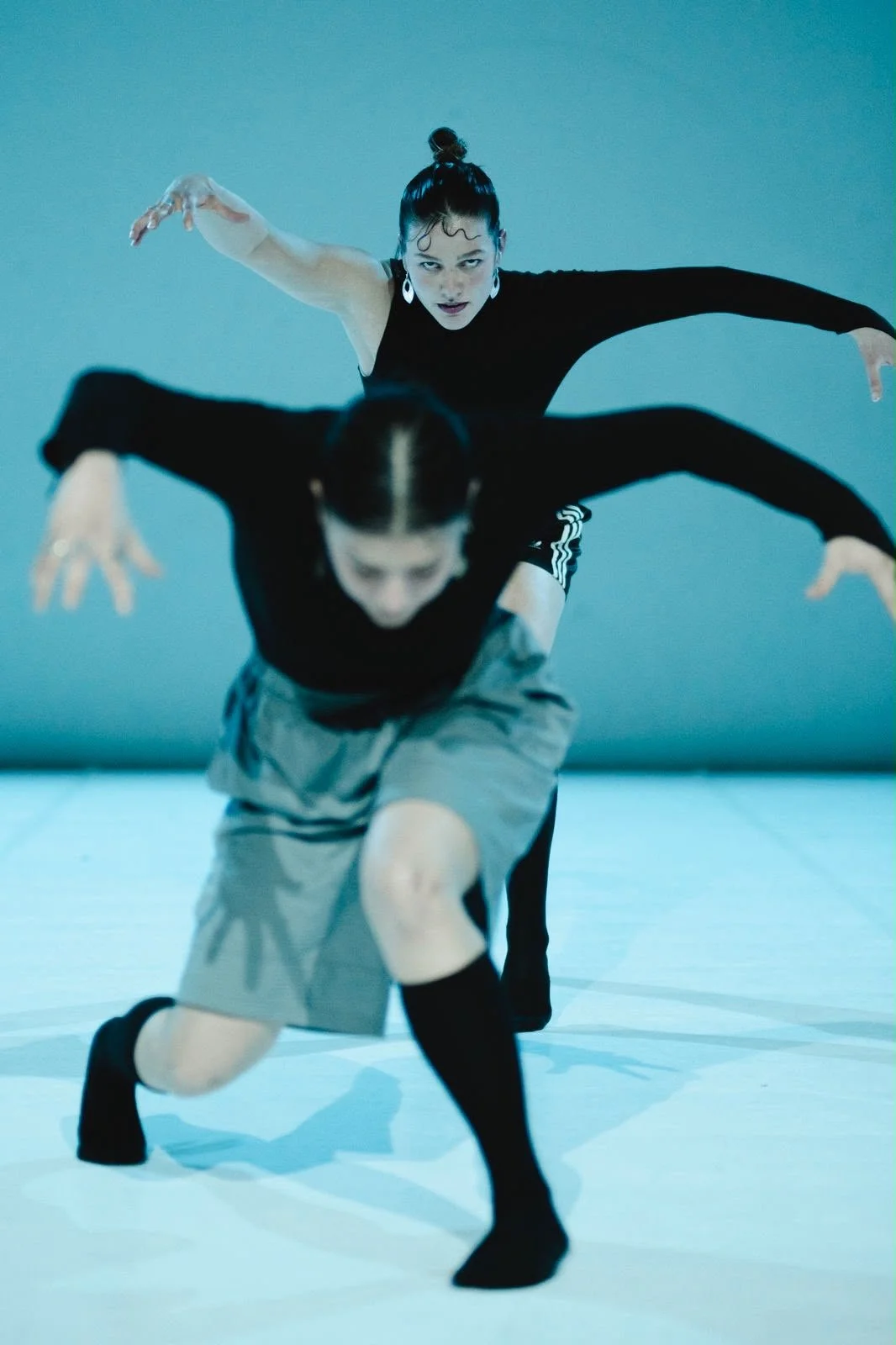
How did your relationship with dance develop after those first ballet classes?
I danced ballet until I was around eleven or twelve, when I tore the ligaments in my ankle during school sports. Shortly afterwards, I still performed in a ballet production because I really did not want to miss it. We had only recently started dancing en pointe, and I twisted the same ankle again while performing.
After that, I stopped dancing for several years. It began with the injury, but I also had so many other interests and hobbies that ballet gradually moved into the background.
Later, some friends I had danced with started taking ballet classes again and convinced me to join them. I eventually also tried contemporary dance, floorwork and modern jazz. Contemporary dance felt completely new to me. At the time, I remember thinking, “Why didn’t I do this from the beginning? This feels so much more like me.”
Now I am very drawn to ballet again. I think it is reassuring to realise that these interests do not have to remain fixed. Something can feel like everything for a while, and another part of dance can return later.
When did dance begin to feel like more than a hobby?
After finishing school, I wanted to use my gap year to finally focus on one thing. Until then, I had always been interested in many creative fields. I sang in a choir, played the flute in an orchestra and was interested in photography, painting and film. I wanted to do all of it, but that also meant I never had enough time to explore one thing deeply.
I decided to leave Zurich and take a five-month preparatory dance course in Berlin. We trained for around three hours a day, Monday to Friday. The focus was mainly on contemporary dance, but we also had ballet, improvisation and Pilates.
It was my first intensive encounter with contemporary dance, and I learned an incredible amount in a short period of time. Experiencing that everyday rhythm made it clear to me very quickly that this was what I wanted. Being able to concentrate on dance and make it the centre of my life felt surreal, but also incredibly exciting.
Before the course, I had never really allowed myself to imagine dance as a profession. I thought I was not good enough and would never have a real chance. But the teachers and the people around me gave me confidence and showed me that there were possibilities. After only a few weeks, I knew I wanted to apply for professional training.
What was your dance education like for you?
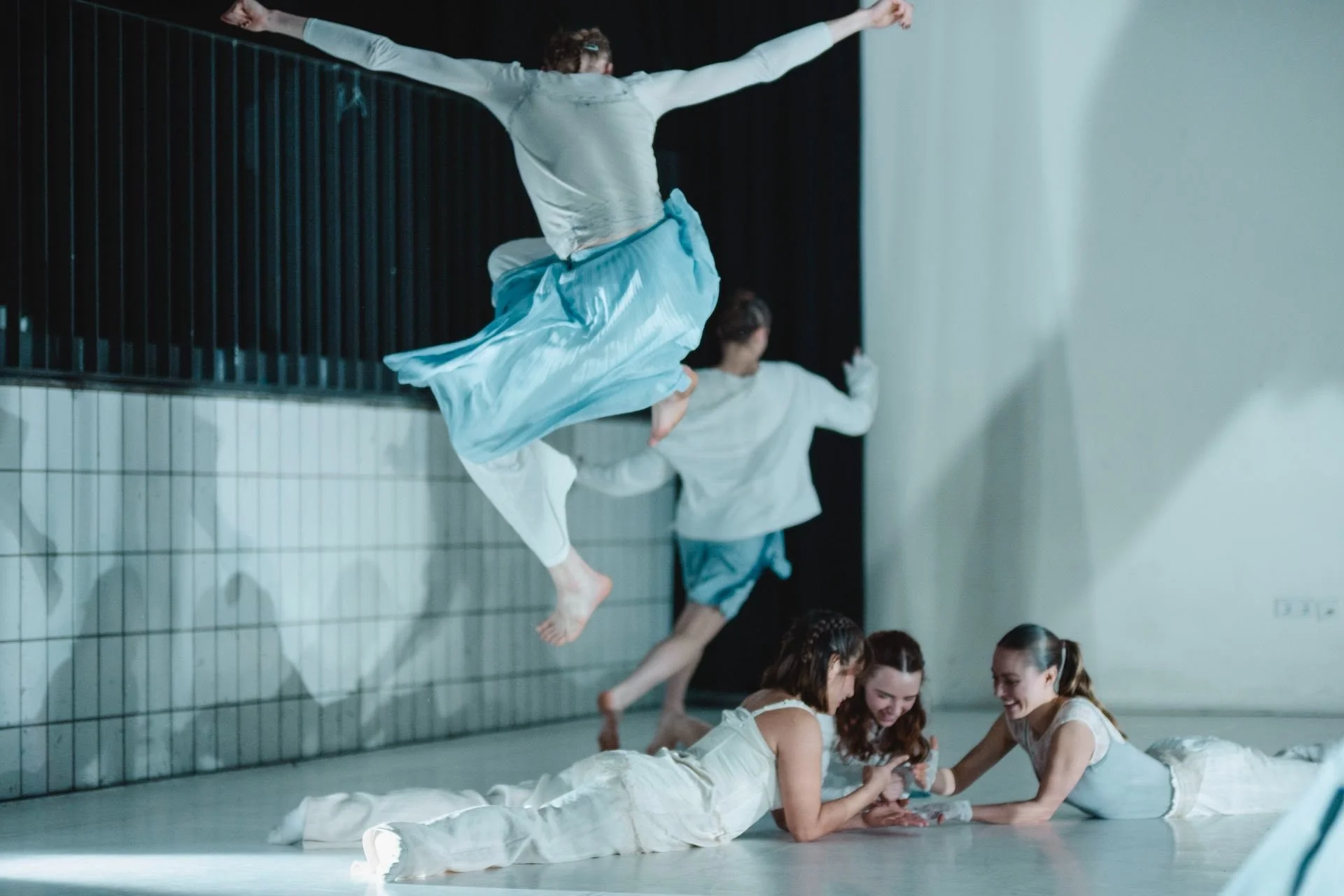
I feel like I learned an incredible amount, not only about dance but about life in general. I feel like I learned an incredible amount, not only about dance but about life in general. The days were often chaotic or even dramatic, so I became more adaptable and resilient.
More than anything, I loved working with my body every day. I loved the intensity of spending so much time in the studio and being able to focus completely on movement. After training for hours, I did not simply feel as though I had completed a working day. I felt exhausted, but also very alive.
I also learned to love the stage. I would not necessarily describe myself as someone who naturally wants to be the centre of attention. Sometimes, when attention is suddenly on me, I do not really know what to do with it. But dancing on stage feels entirely different.
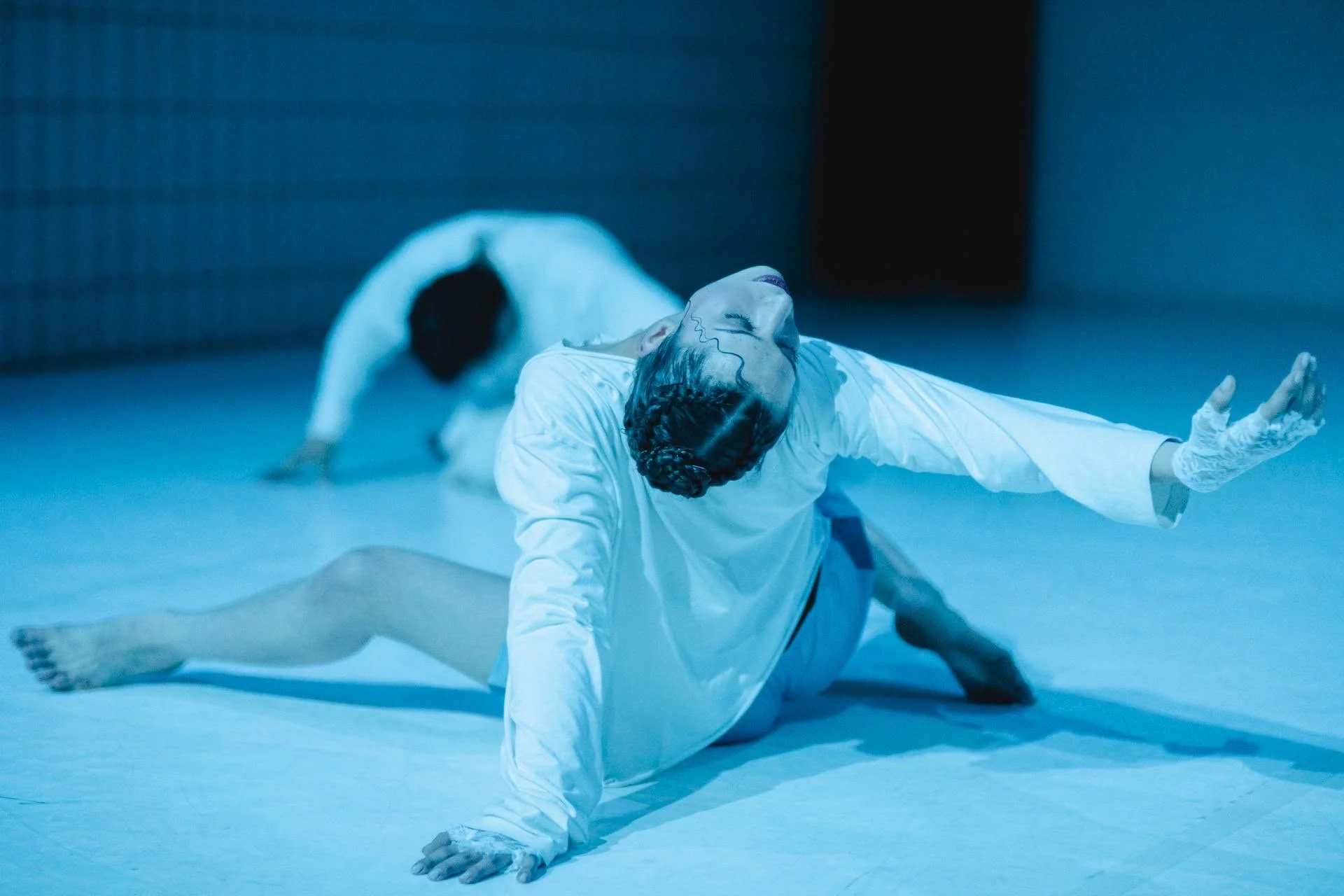
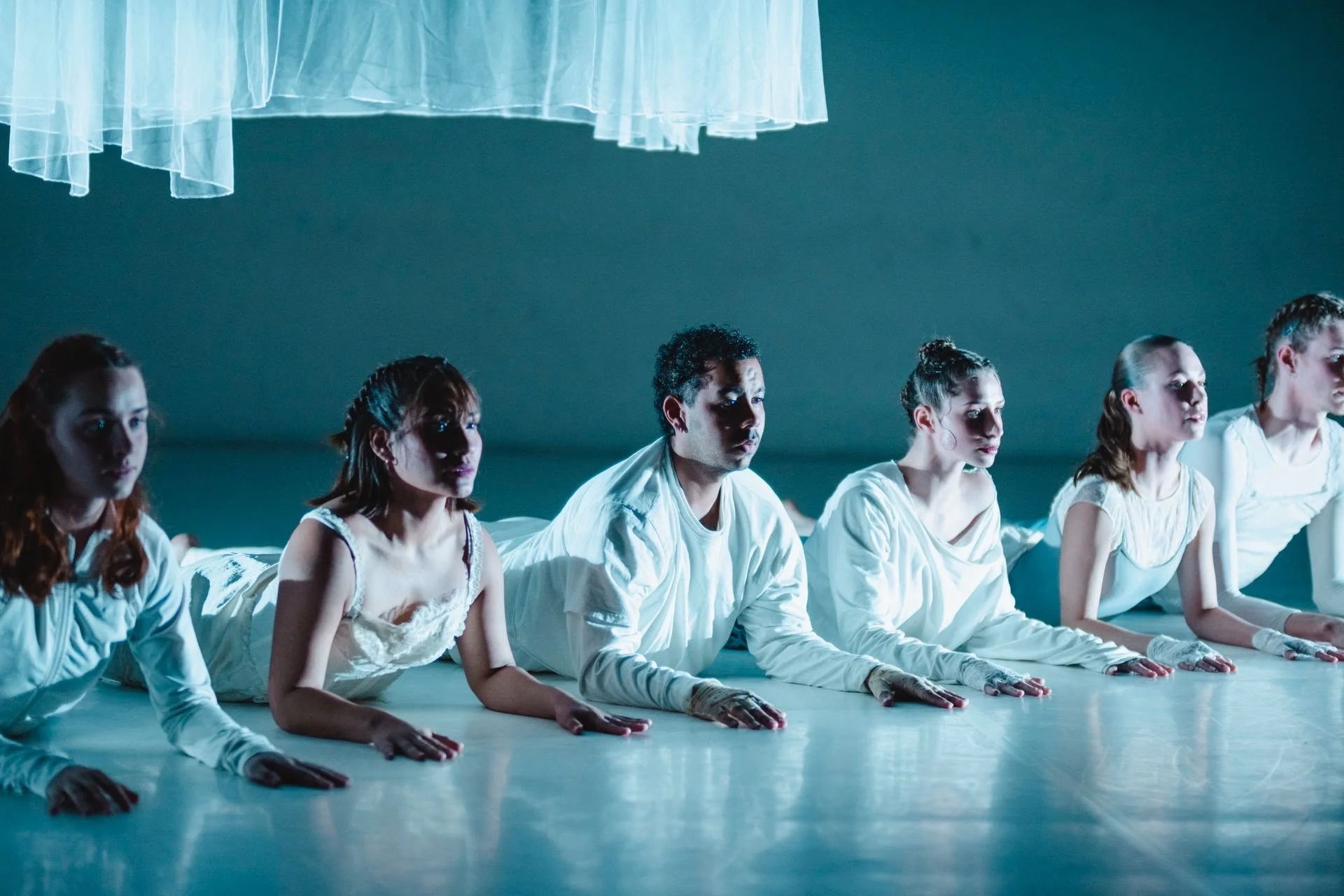
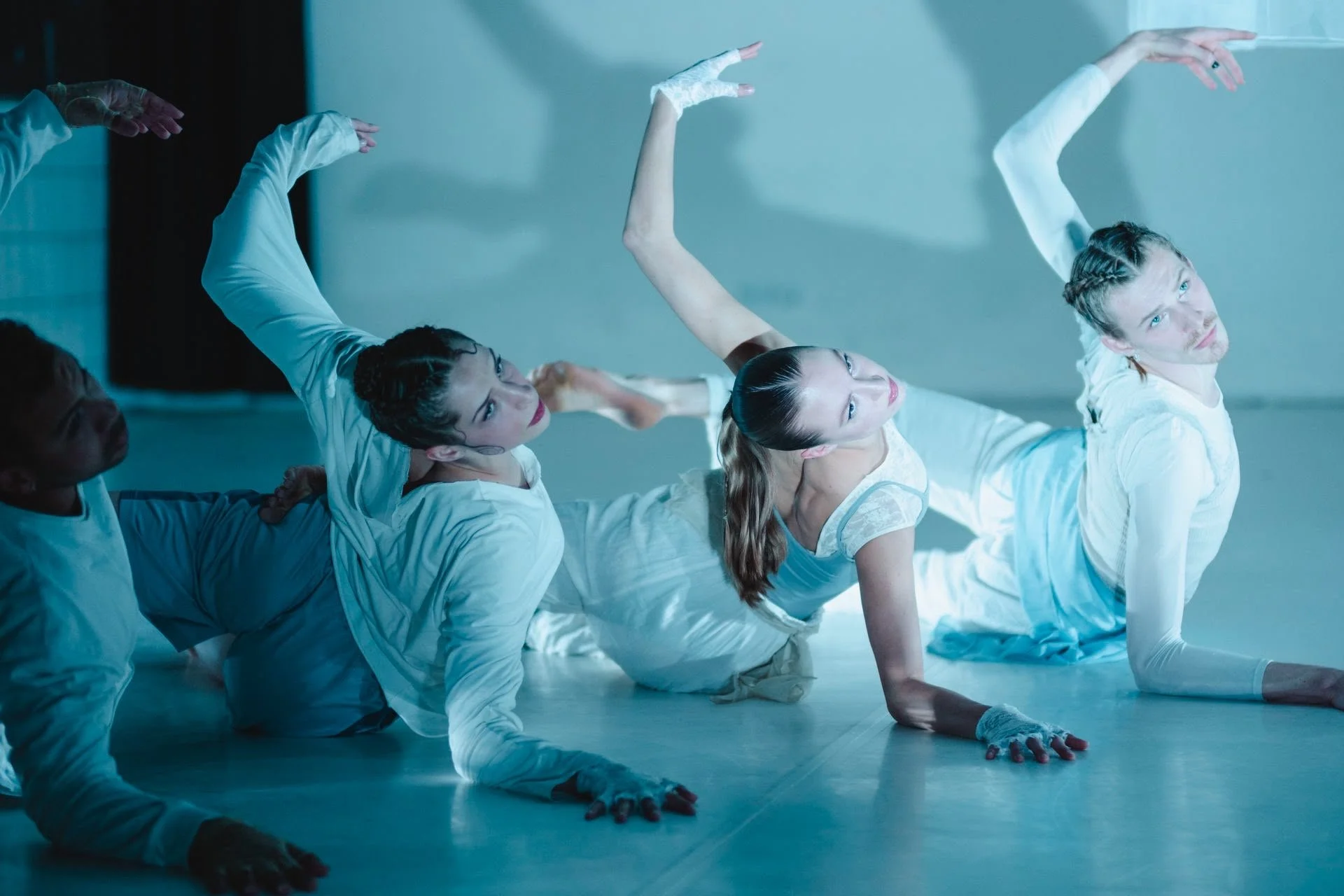
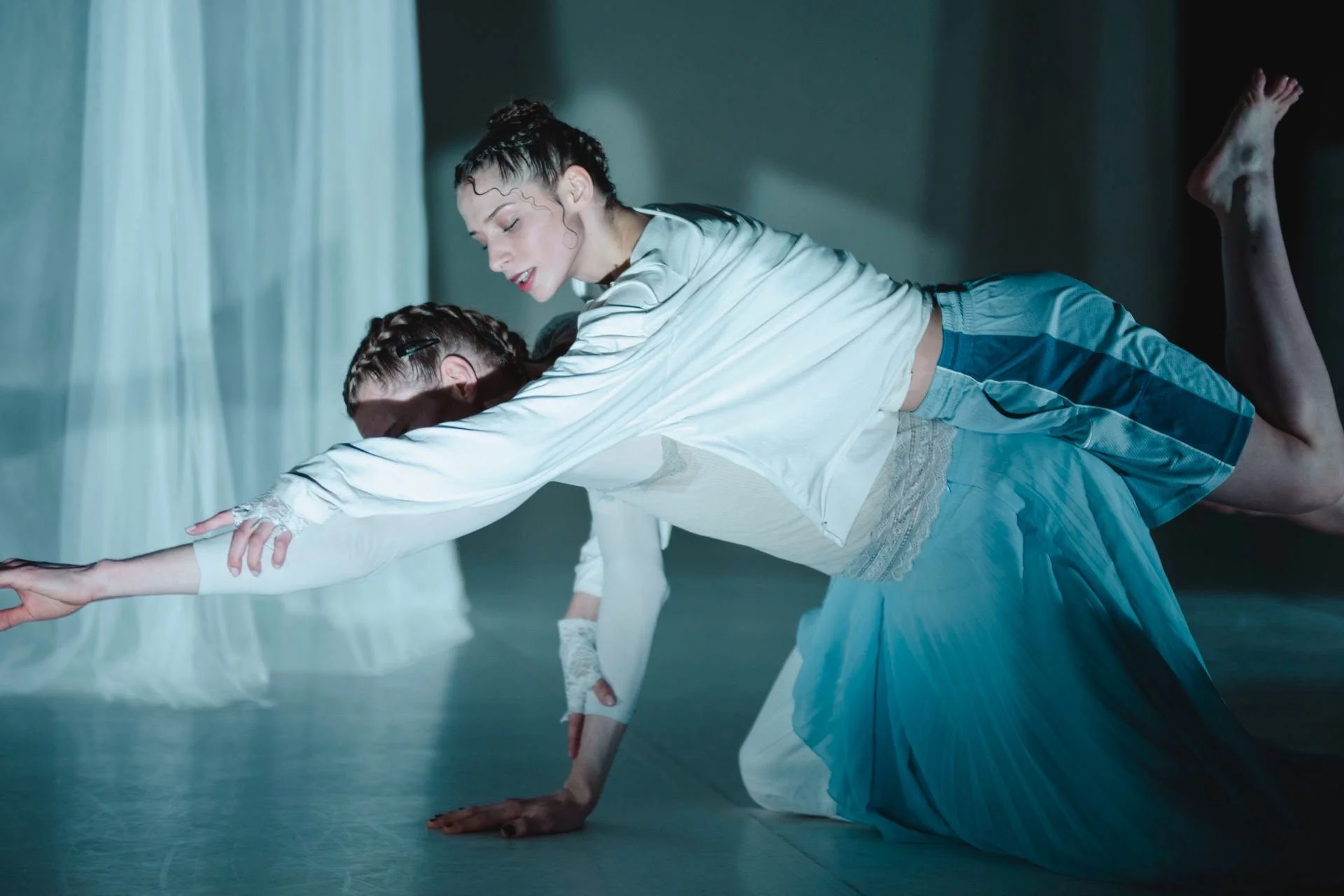
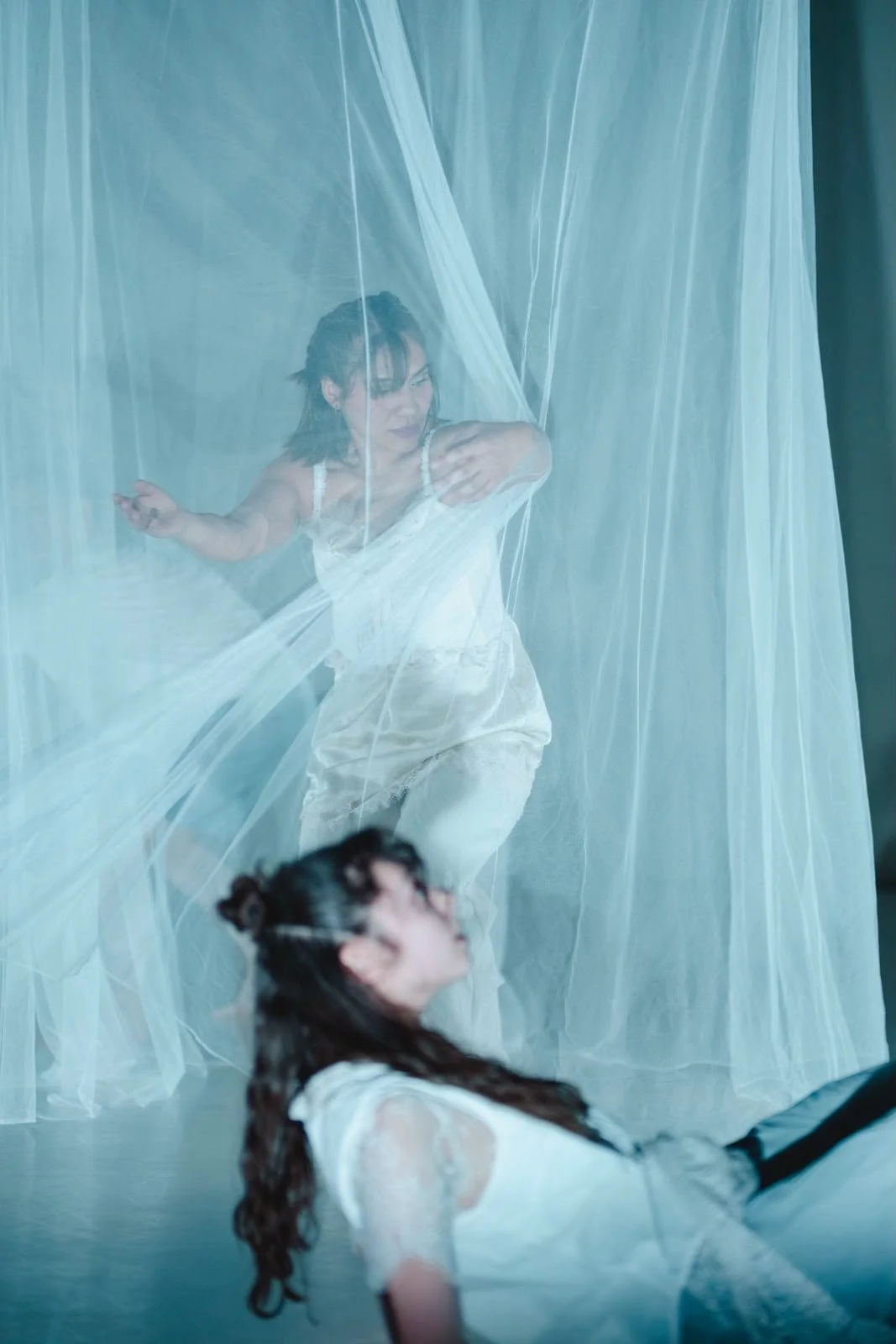
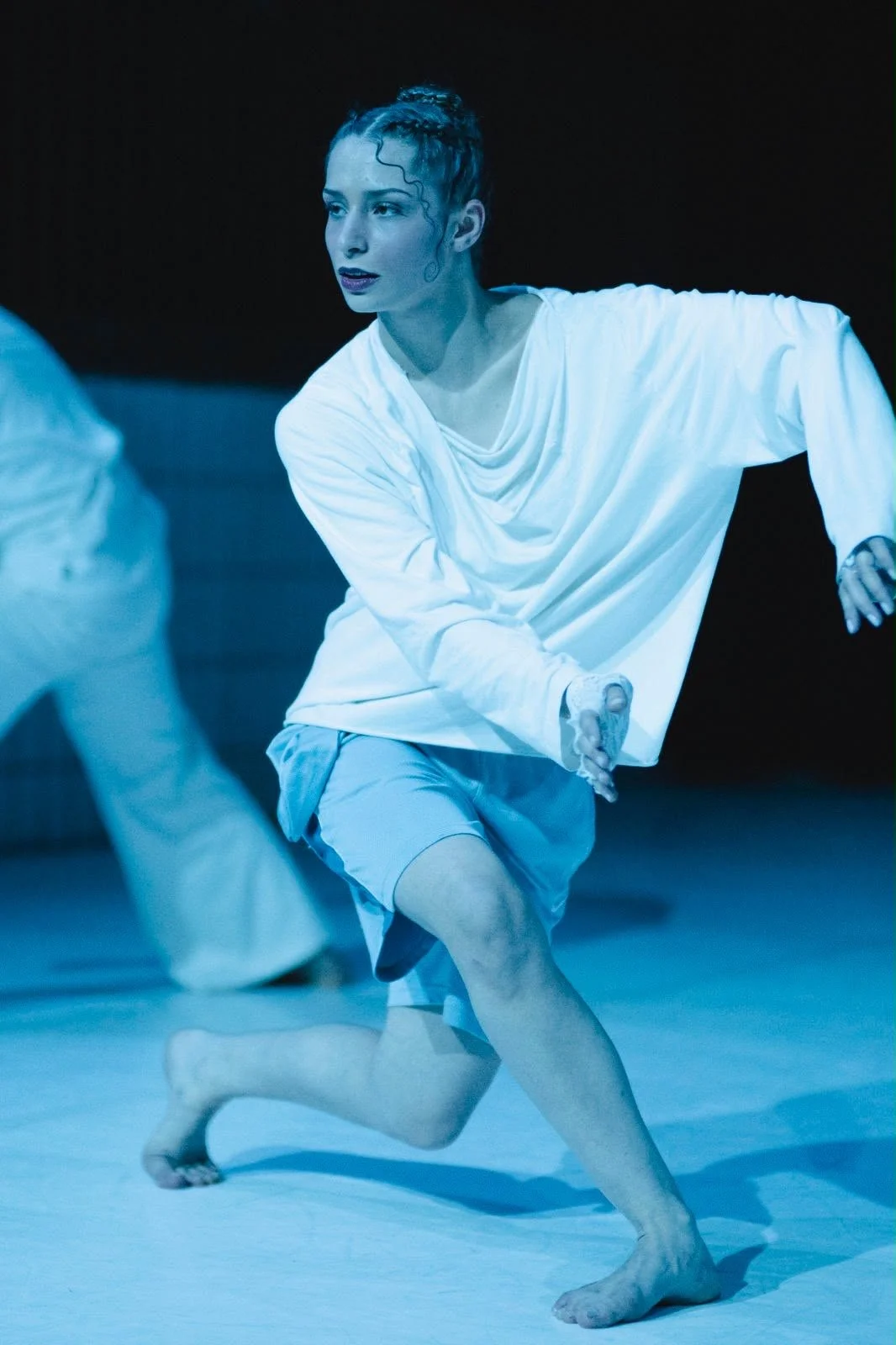
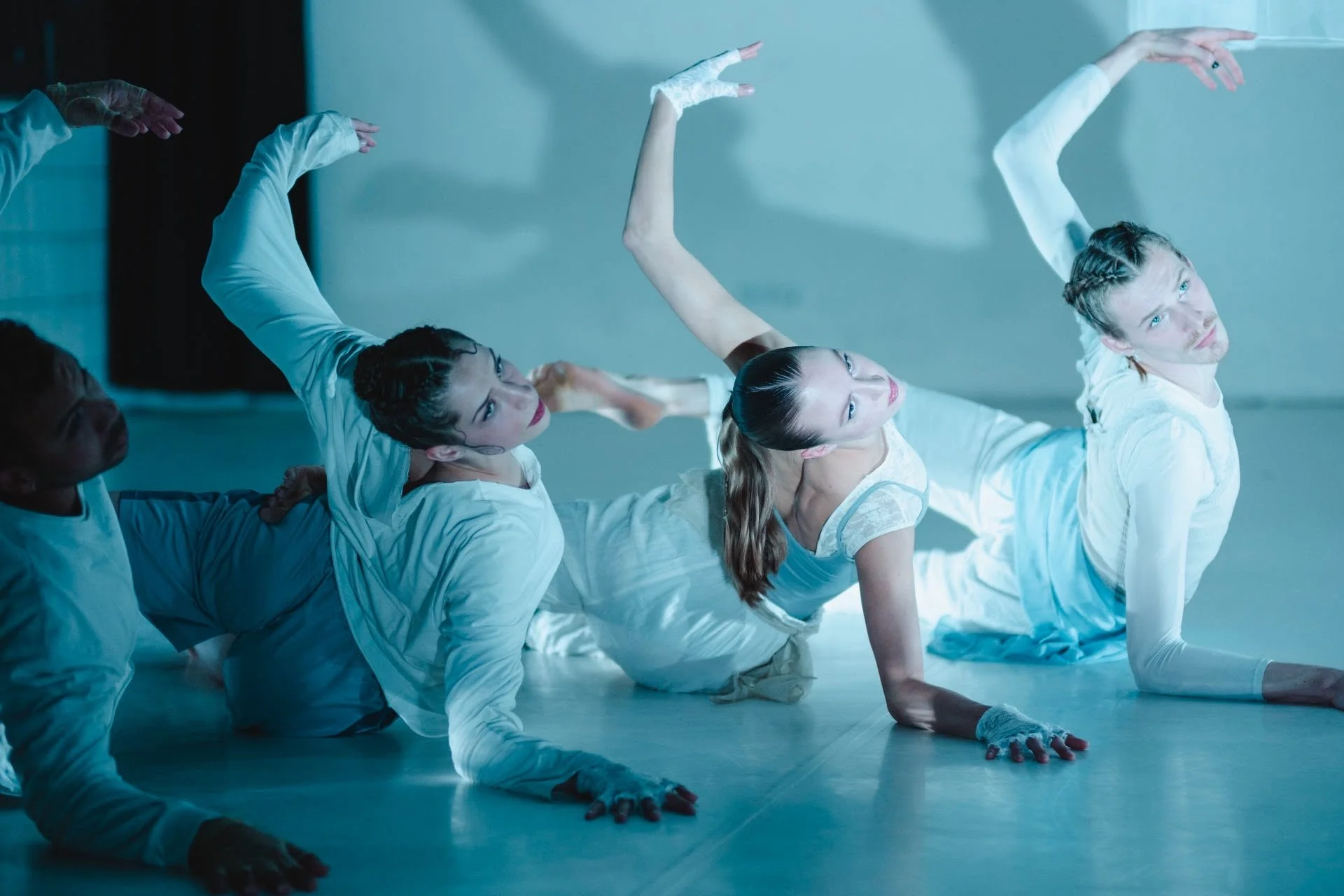
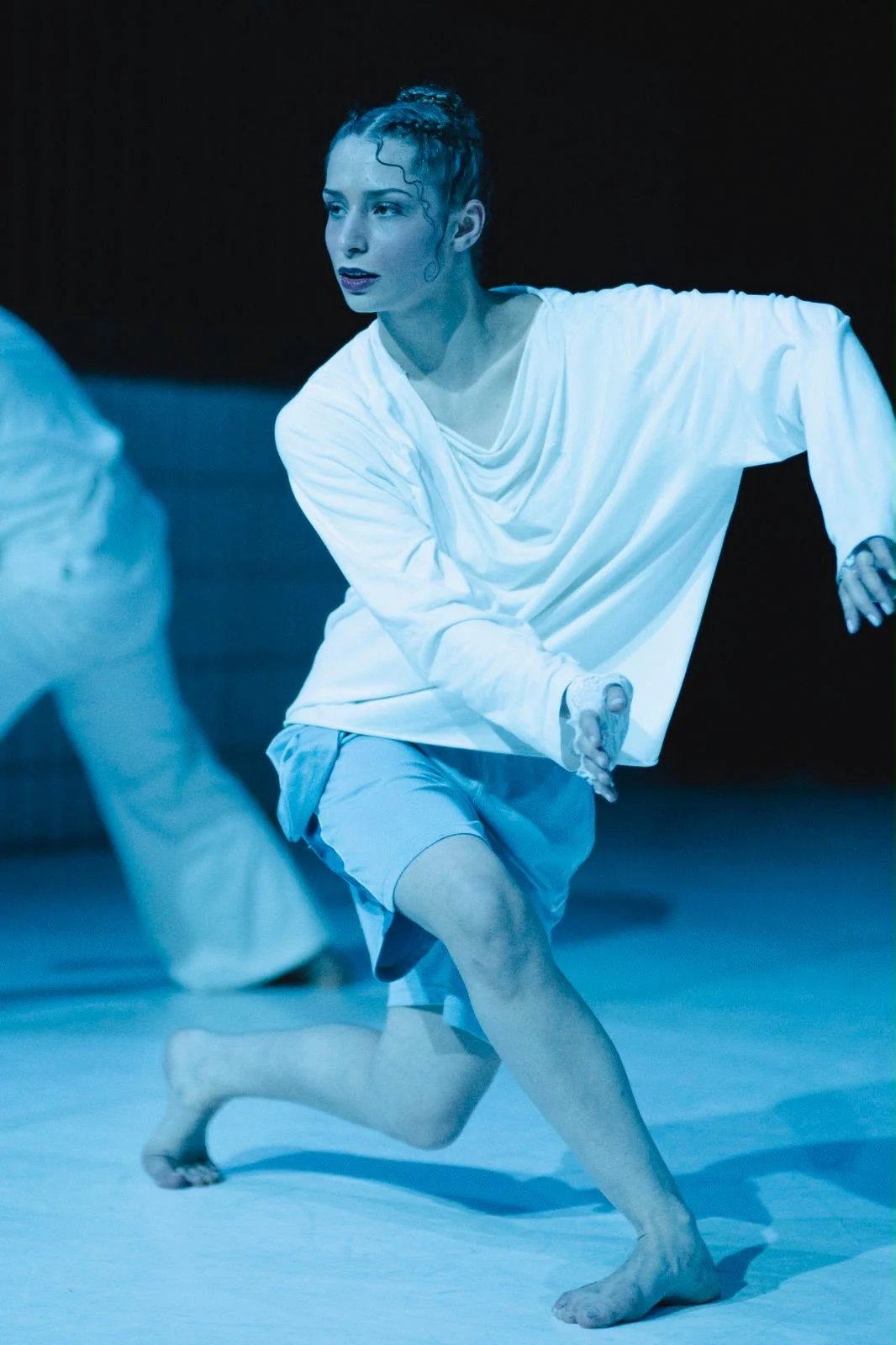
The biggest highlight of my education was creating my own graduation piece. Choreography brought together so many things that had always interested me: movement, music, imagery and the shaping of a space. A friend of mine who studied composition created original music for the piece, and I was able to work with lighting, costumes and the stage design. It felt like finally being able to bring all of my interests together to create one complete world.
What inspired the concept behind your graduation choreography?
The assignment itself was very open. We had to conceptualise and choreograph a piece, but there were very few restrictions. We could decide whether we wanted to perform in someone else’s work or create something ourselves. I knew that I wanted to choreograph my own piece.
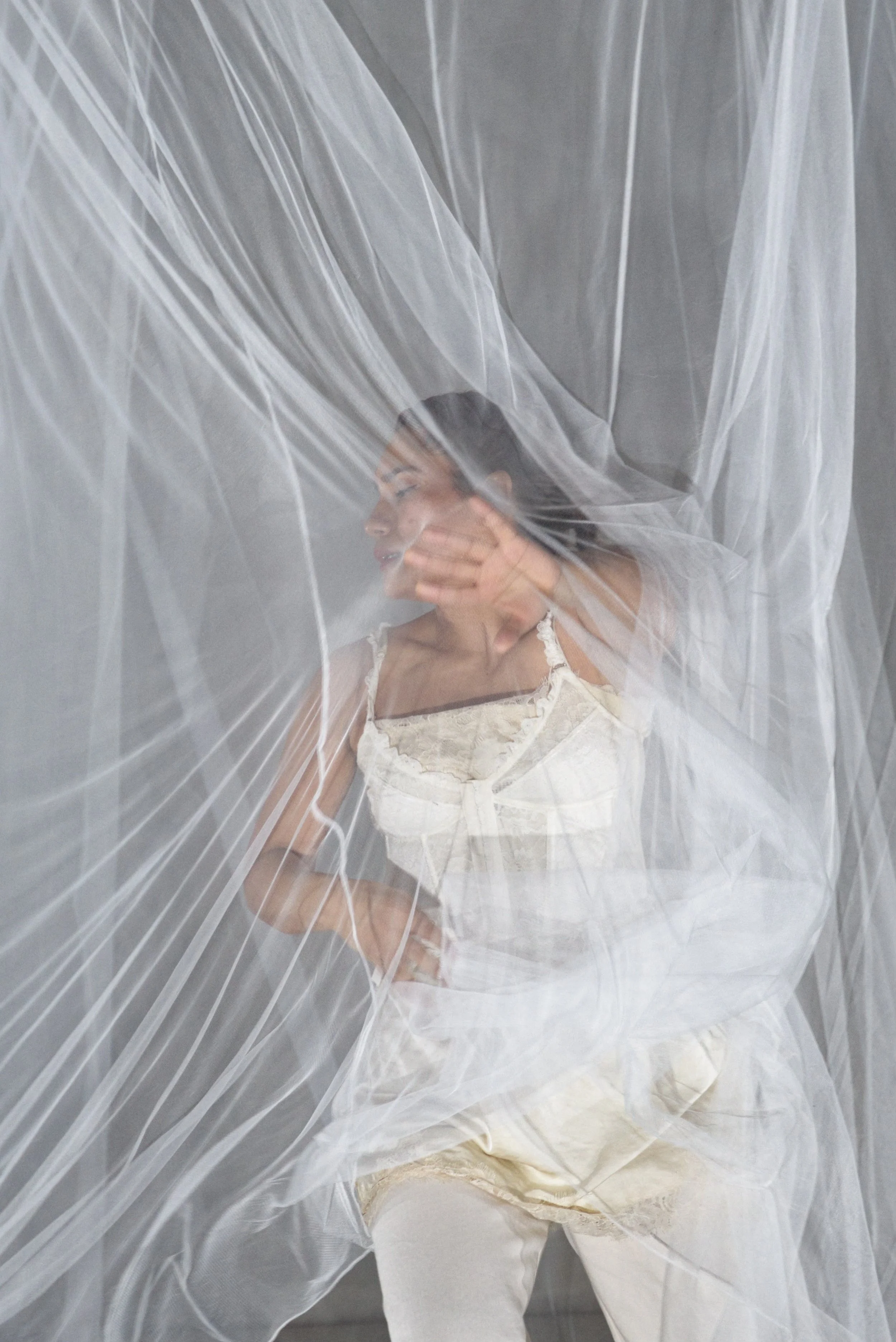
The idea came partly from my own experiences with sleep. I struggled with sleep problems for a long time and also experienced sleep paralysis and lucid dreams. Those experiences were often very uncomfortable, but I found the different states between being awake and asleep fascinating. There is something interesting about that in-between space, where you are not fully conscious but not completely disconnected either.
I had previously created a short piece around lucid dreaming and wanted to return to that slightly absurd and surreal world. In my creative work, including photography, I am often drawn to things that feel playful, strange or slightly unsettling.
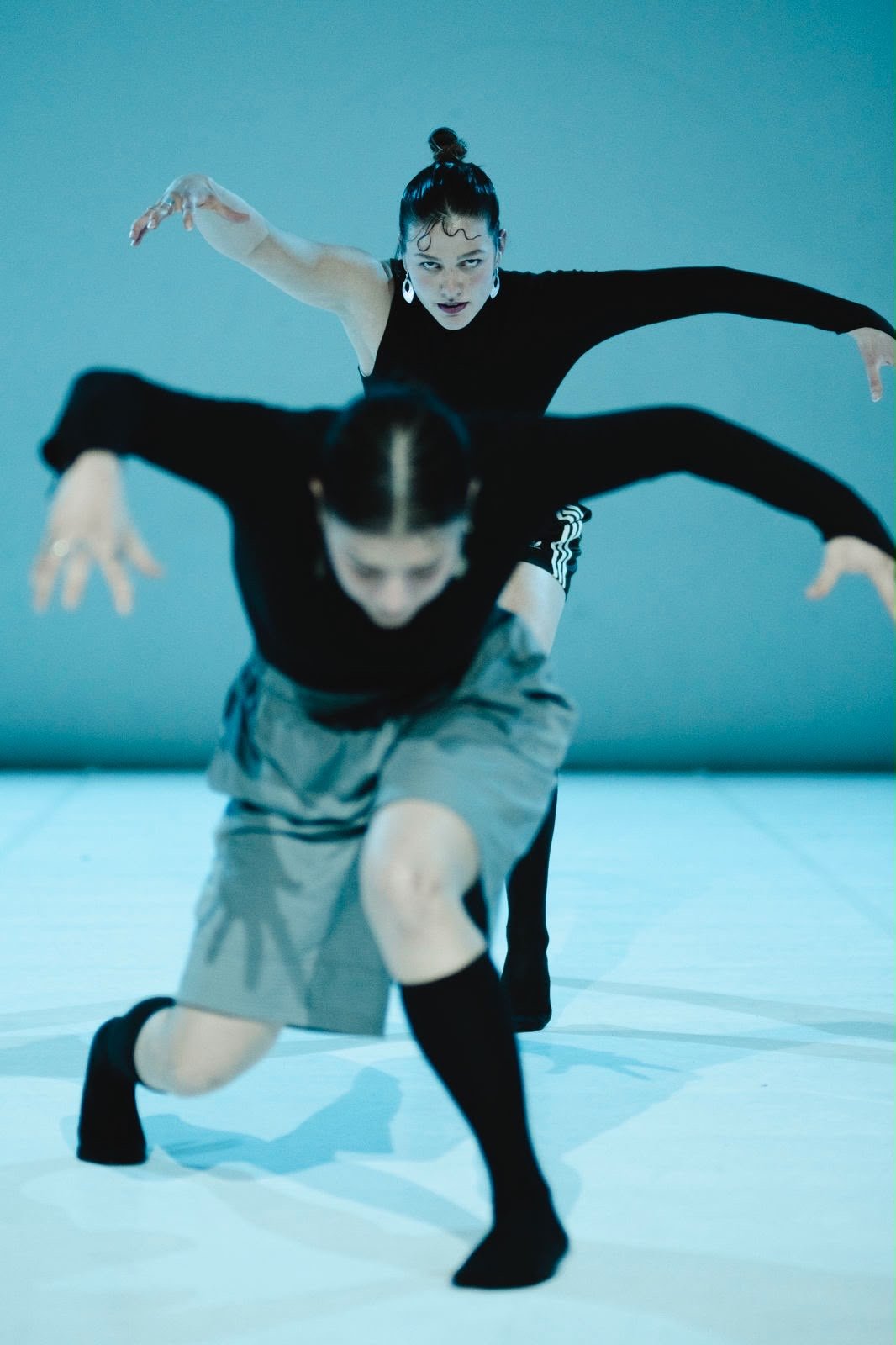
The other part of the piece explored how people live together and how something negative can develop between them. I was interested in how people can enter a situation with good intentions, but misunderstandings and different perceptions can still cause it to shift into something darker.
Combining those ideas made sense to me. If people are existing in different states of consciousness, they might not fully understand or even notice one another. I wanted the dancers to meet within that unstable world and explore what could emerge between them.
How did you translate something as intangible as a dream into movement?
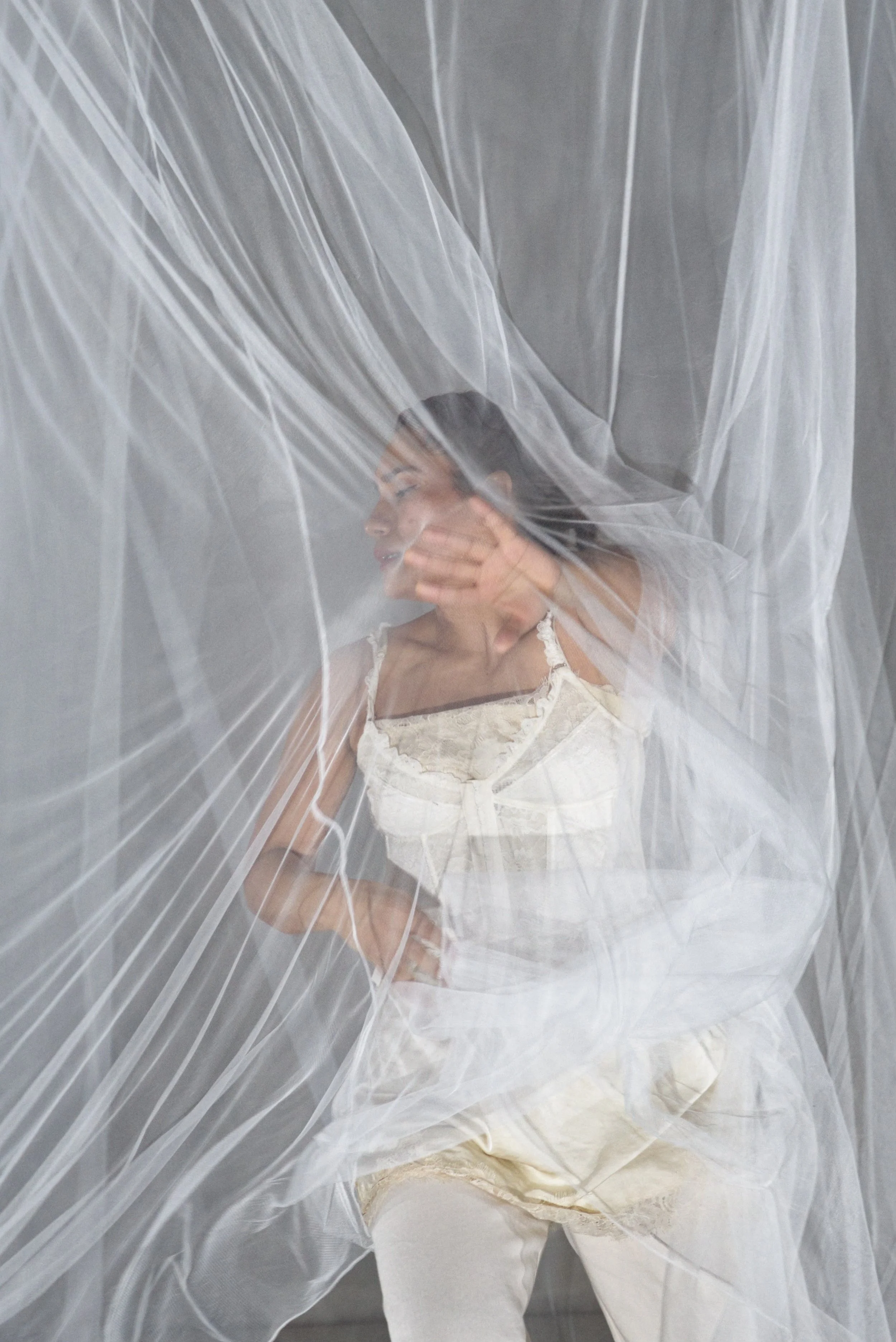
I did not want to recreate a particular dream. I was more interested in creating an atmosphere that felt slightly strange and unfamiliar, as though the normal rules had shifted.
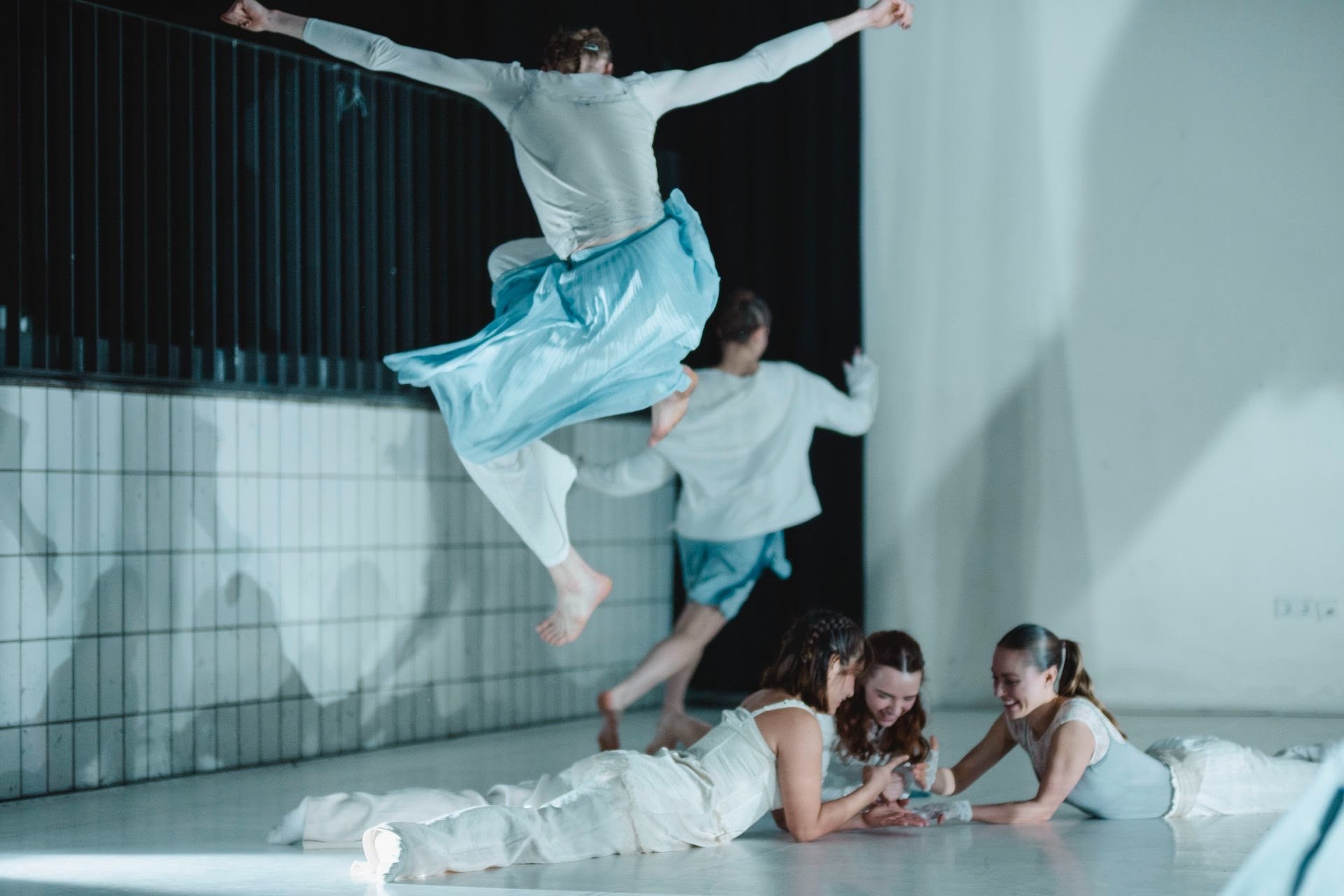
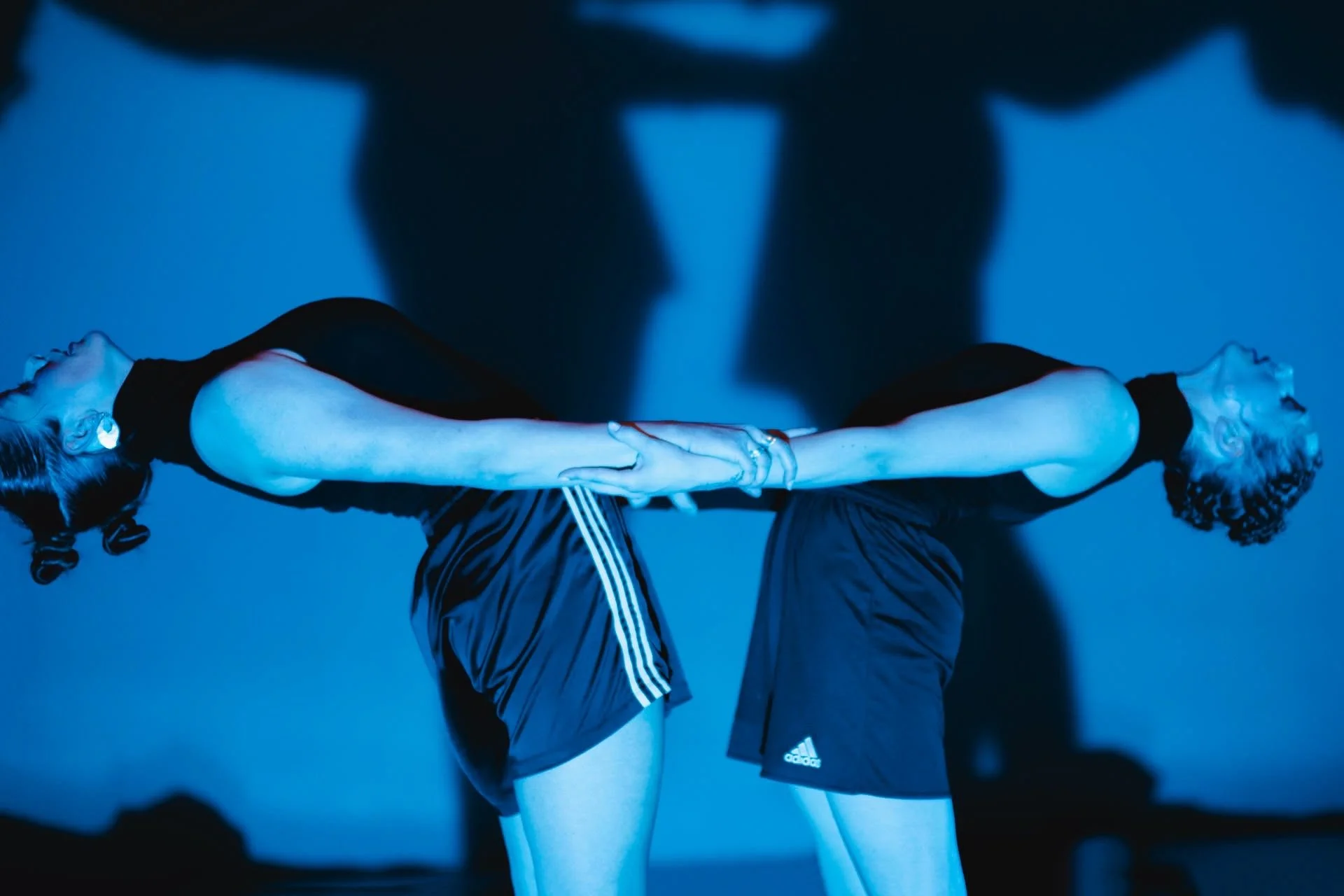
A lot of the movement developed from the dancers interacting with one another. I wanted to explore what happens when people connect, misunderstand each other or experience the same situation differently. There was a scene that began almost like children playing together, but gradually reached a point where it became too much for someone and the atmosphere started to feel uncomfortable.
The dancers themselves were very important to that process. Their personalities and the way they related to one another changed what was possible within the choreography. Movement alone could not create the entire world. The music, costumes, lighting and stage also shaped how the audience experienced it.
How important is the connection between dancers when you are creating something together?
It can change everything. With some people, you begin working and immediately understand one another. You can build on each other’s ideas, and suddenly you have created much more in a short amount of time than you thought possible.
I once created a duo with a friend from my training, and we unexpectedly worked incredibly well together. We developed a piece of around ten minutes in only a few rehearsals. It was co-choreographed, and the material emerged very naturally because we were able to respond to and support each other.
With other people, that connection may simply not be there. Then you can become frustrated and begin questioning your own creativity. You think you have no ideas or cannot dance, when sometimes it is simply about not being the right match.
I experienced that while working on my graduation piece as well. At one point, the dynamic within the cast was not supporting the kind of interaction the scene needed. After making some changes, the group became much more harmonious. Interestingly, it almost became too harmonious, as that particular scene was meant to capture the moment when playful interaction begins to shift into discomfort.
That experience showed me how much casting and group dynamics can influence a piece. Dance may be expressed through individual bodies, but the work is always shaped by what happens between people.
What was it like to finally see your finished piece on stage?
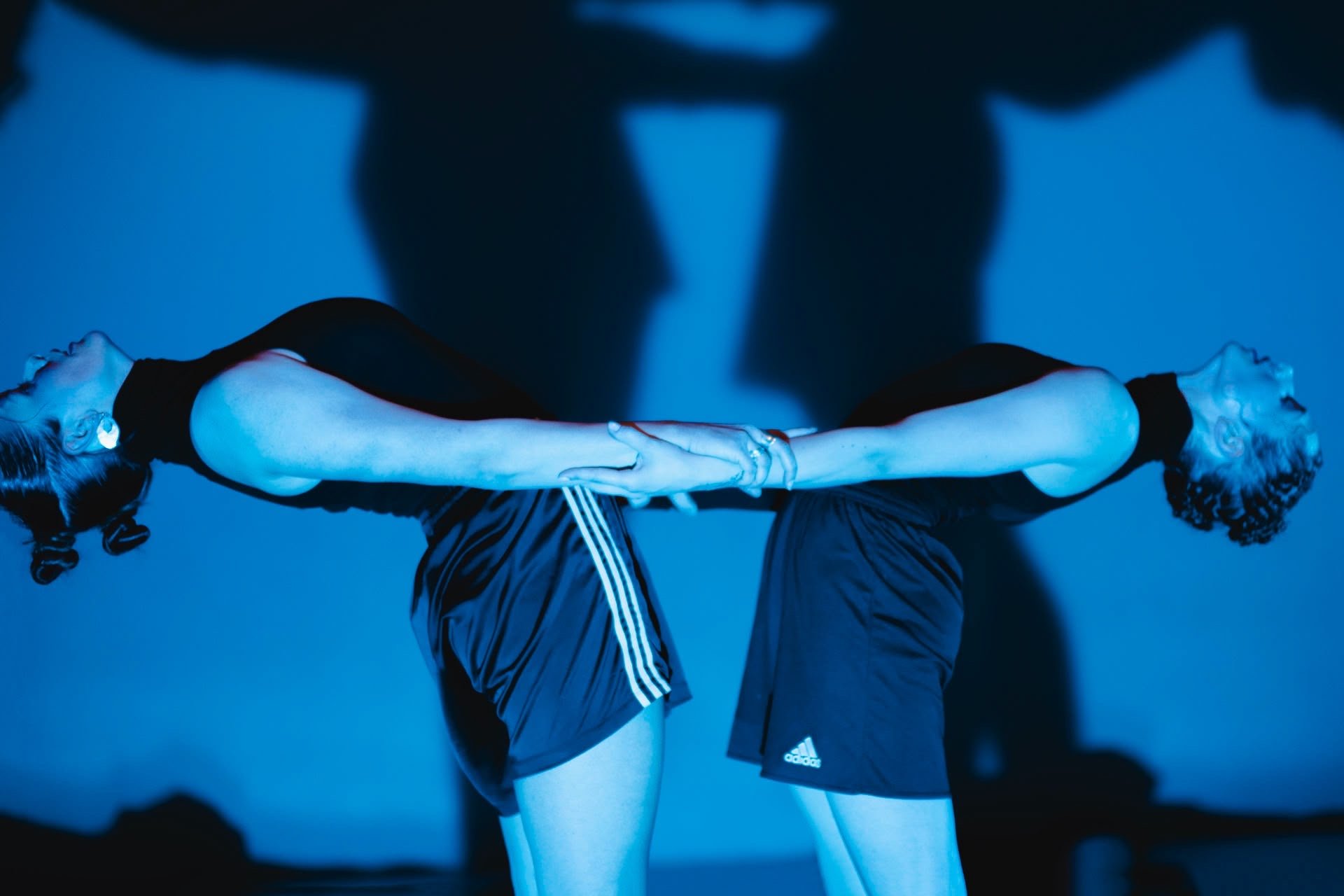
For a long time, it felt like my baby. I was constantly looking at it critically and thinking about what still needed to change. Where does something need more work? What is missing? What could be clearer?
The moment the costumes and lighting were added changed everything. There is this idea that, at some point, a choreographer has to let the piece go and give it to the dancers. That is exactly what happened. I could finally watch it without feeling as though I was still in the middle of working on it.
It no longer felt entirely mine. It belonged to the dancers and to the stage.
I often find it difficult to finish creative work because there is always something you could change. Even now, when I watch the piece, I see moments I would like to develop differently. But during the performance, I reached a point where I could say, “This is finished, and I am happy with what I created in the time I had.” I was able to let it go.
What do you love most about being on stage?
I love everything surrounding a performance. I love having a full theatre day, preparing backstage and packing everything I might need in the morning: make-up, tape, costumes and all the small things that become part of the routine.
Those days can be incredibly long and exhausting. Sometimes you spend twelve hours inside a black-box theatre and reach a point where your mind feels completely empty. But there is also something romantic about it for me. I love the atmosphere, the anticipation and everything that happens before the performance begins.
The stage itself transforms everything. You can rehearse a piece countless times, but it becomes something else once an audience is present. There is an exchange of energy between the performers and the people watching. A theatre can be full, but if the audience feels distant, the performance may not fully come alive. When you sense that people are present and reacting to what is happening, it changes the entire experience.
I am nervous before performing, but I have learned that something switches inside me when the lights come on. It feels as though nothing can happen to me, even though, of course, anything could happen at any moment. It is an ambivalent feeling, but I have developed a kind of trust that anything is allowed to happen.
What role does music play in your work?
It plays almost the entire role. Both of my parents are orchestral musicians, so I grew up around music and spent a lot of time backstage at concerts. The rhythm of preparing for performances and being inside that world has always felt familiar to me.
I also made music myself for most of my life. For me, dance and music are directly connected. Music is often what makes me want to move and create in the first place.
That was also why having original music for my graduation piece felt so special. It allowed the movement and sound to develop as parts of the same world rather than treating the music as something added afterwards.
How has dancing shaped your relationship with your body?
As a dancer, you are completely dependent on your body while constantly being evaluated for what it can do. There is always pressure to improve, and you spend every day surrounded by strong dancers and looking at yourself in a mirror.
I do not think I have one clear answer for how I deal with that pressure. Some days I can be constructive with myself, and on others, I cannot. Sometimes I listen to my body well, and sometimes I ask more from it than it can give.
Injuries have been a recurring issue for me, and I think that is partly connected to performance pressure. You are often expected to give one hundred per cent, even when your body might need something different.
At the same time, dance has given me an incredibly deep understanding of my body. The work is always about physical awareness and the connection between the body and mind. You learn how your body functions, how to control it and how to use it as a form of expression.
It is also deeply emotional work. Whatever is happening in your life enters the studio with you. You cannot simply sit quietly and complete your tasks. You are constantly moving, being seen and seeing yourself. The work can be incredibly demanding, but it can also be very beautiful for exactly that reason.
What would you like to explore next?
Creating my graduation piece made me want to develop more productions and continue choreographing. I love the idea of using movement to create another reality for a moment. It does not necessarily have to tell a clear story, but I want to create worlds that people can enter and experience.
After completing my dance education at Danceworks Berlin, I am now moving to Rome to continue my training at Dance Arts Faculty (DAF). Being accepted into the programme has opened up new possibilities and made the idea of eventually working in a company feel much more tangible.
Working in a company for a few years would be a dream, while continuing to create and choreograph my own work. For now, I am excited to see how far I can develop, how much more I can discover through my body and where this next stage of my training will take me.
How has your approach to auditions changed over time?
In the beginning, I tried to do everything perfectly. I planned exactly when to wake up, what to eat and how to prepare. Those things are still important, but I approach auditions much more calmly now.
I also try to see auditions as training and as an opportunity to understand the place itself. It is not only about whether they choose me. I am also observing how the training feels, how people treat each other and whether I can imagine myself in that environment.
Even when you feel as though you cannot afford to be selective, I think it is important to ask whether the opportunity is actually right for you. Being accepted somewhere can shape the direction of your entire path.
Technique is also only one part of an audition. The way you enter the room and interact with the other dancers matters too. I try not to behave as though everyone is fighting alone for a place. The atmosphere is created by everyone in the room, and dance is rarely something you do entirely by yourself.
What would you tell someone who wants to explore dance but is afraid to begin?
I would tell them to allow themselves to invest in it and simply try. What is possible often becomes clear much sooner than you expect, and taking the first step can open many more possibilities.
I used to feel as though I did not belong in the dance world. Sometimes I still feel that way, but somehow, I am part of it now.
Deciding to try does not mean it has to work out or that you have to continue forever. Someone can be an incredibly talented dancer and enter professional training, only to realise that the environment, the pressure or the work itself is not right for them. People are different, and changing your mind does not mean that trying was a mistake.
Dance can be enriching in many different forms. The walls we imagine often disappear as soon as we begin. Before starting, you may have no idea how to reach your goal. But once you take one step, the next one usually reveals itself.
What does Women in Motion mean to you?
I feel as though I am always in motion, not only physically, but also in my mind. My thoughts move constantly, and my ideas often emerge from that chaos.
When I choreograph, I do not begin from stillness and decide intellectually what should happen. I begin by moving, and the ideas appear from within that movement. I can then take certain moments, shape them and make them more specific.
Dance itself is also a fleeting art form. Unlike a painting or a sculpture, it does not remain in one place after it has been created. It is already disappearing while it happens. You can film it, but watching a recording will never be the same as witnessing a body moving in front of you.
Even when you watch the same choreography several times, it will never be exactly the same. For me, dance is always changing, passing and becoming something new.
Want to keep up with Ada? You can find links to her social media below.