
VOL VIII: JEWELLER LAURA LICHT
Women in Motion, Volume 8
Showcasing Laura Licht
Before I ever saw Laura Licht’s jewellery, I met the person behind it. We crossed paths during a DJ set by one of her friends in Vienna, and although jewellery never came up that evening, her warmth and openness stayed with me. Learning about her work later felt like discovering another layer of someone whose creative energy had already been quietly present.
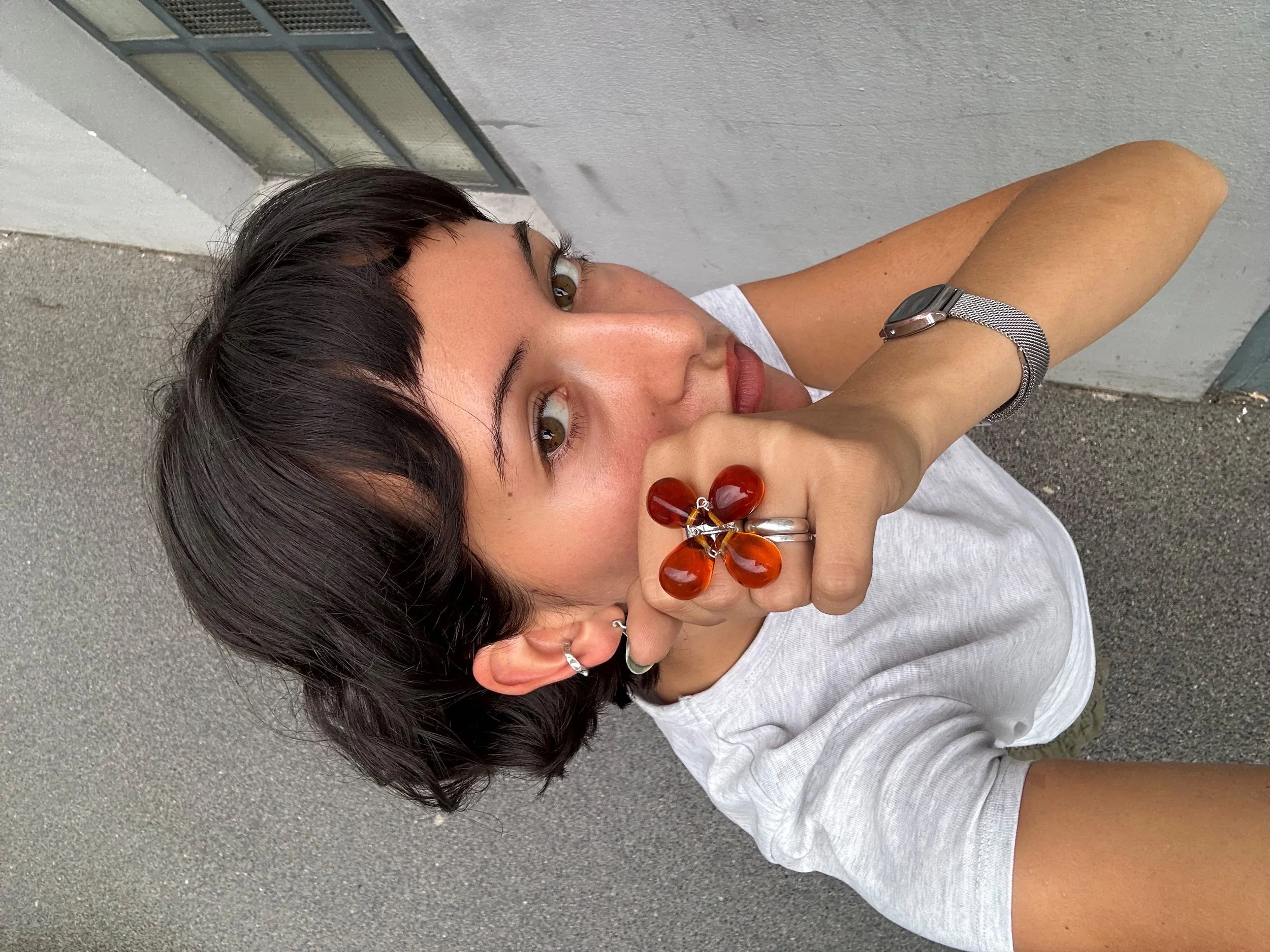
Laura began making jewellery in 2020, when a few colourful beaded necklaces slowly grew into Pearlsberlin, her first jewellery label. What started in her childhood bedroom developed into an independent business, took her to Valencia and eventually led her to study goldsmithing in Vienna. Her work now continues under the name einLicht, a rebranding inspired by her last name, Licht. Having completed her training, her next step is to move to Berlin and begin an internship.
When Laura speaks about jewellery, her eyes light up. In our conversation, we spoke about teaching herself a craft, building a business at eighteen, finding her own techniques and allowing a creative practice to change as you do.
How did you first find your way into jewellery?
My journey with jewellery began in 2020, during the pandemic. I had always loved painting and drawing, but I never felt completely at home in either medium. Somehow, possibly through Instagram, the idea of making jewellery came to me.
I ordered colourful plastic beads, thread and a few basic tools, then began making simple necklaces and small floral patterns. I showed them to my friends, and they started asking whether I could make pieces for them too.
From the beginning, I was determined to teach myself everything. I watched tutorials, experimented with different techniques and created an Instagram account to share my work. More people began following the account, which motivated me to continue. Everything I made then looked completely different from my work today, but it became the beginning of Pearlsberlin.
When did it begin to feel like more than a hobby?
One important moment was when I developed a collection inspired by zodiac signs and birthstones. Both were incredibly popular at the time, and I created a necklace for every zodiac sign using different gemstones.
The response was far bigger than I expected. I was still completing my Abitur and suddenly found myself making necklaces day and night in my childhood bedroom. I was only eighteen, but I was already learning how to create a product, communicate with customers and manage a growing number of orders.
Another important step was renting my first studio in Potsdam with my best friend, who is a painter. Having a shared space made everything feel more serious. Jewellery had already become my passion and taken over most of my free time, but the studio made me realise that it could grow into something bigger.
What brought you to Valencia, and how did it shape your path?
After finishing school, I worked for a year to save money. I originally wanted to go to Canada or New Zealand, but those plans did not work out. When a friend told me that a room in his apartment in Valencia would soon become available, I decided to take the opportunity.
I wanted to experience living somewhere else, but I also hoped to understand whether jewellery was only a hobby or something I genuinely wanted to pursue. It took me about a month to realise that I wanted to continue.
By then, I was creating unique pieces and primarily working with freshwater pearls. In Valencia, I found my first goldsmithing studio and made my first silver ring. I also continued receiving online orders and registered my small business in early 2022.
Managing everything from another country was not always easy. My Spanish was limited and shipping was expensive, but I found ways to make it work. The experience showed me that I was willing to continue even when the practical side became complicated.
Why did you decide to pursue formal training in Vienna?
I could have studied jewellery in Valencia, but the language was important to me. I wanted to understand the technical details properly and communicate confidently throughout my training.
While researching other possibilities, I found the jewellery programme at Herbststraße in Vienna shortly before the application deadline. Because the school only admitted a new class every two years at the time, it felt like a rare opportunity.
The programme was very structured, with classes every evening from six until ten. At times, it felt like completing a second Abitur, and I did not always feel supported by the teachers. The people in the workshops were different. They encouraged me, took my ideas seriously and helped me develop technically.
Although I would not necessarily choose the same school again, completing the programme was important to me. It gave me a qualification and introduced me to techniques, materials and possibilities I might never have discovered on my own.
What made jewellery feel like the right medium for you?
At first, I did not understand jewellery as a complete artistic medium. I associated it with traditional jewellers or inexpensive pieces from small shops. I had no idea how broad the world behind it was.
After finishing school, I took my first goldsmithing course in Berlin. That was when I realised how many different ways there are to approach jewellery. There seemed to be an endless number of tools and techniques. I still have photographs on my phone of individual pliers with notes explaining what each one was used for.
At the time, I knew many people who painted, produced music or made clothes, but nobody who created jewellery. Perhaps that made it feel like a space in which I could find my own way of working.
How does a piece develop from the first idea to the finished object?
My process is quite messy. I am not someone who begins with detailed sketches. Sometimes I start with an idea for a shape, and sometimes I simply know which technique I want to explore. From there, the piece develops through experimentation. I need to see and touch something before I can fully understand where it is going.
For a long time, I worked mainly with the lost wax technique. I created a model from wax, which was later cast in silver. I also work directly with wire or metal sheets by cutting, shaping and connecting them.
I am drawn to pieces with volume. I like jewellery that is large, bold and noticeable. One technique I particularly enjoy is press forming, where metal is pressed into a mould to create volume.
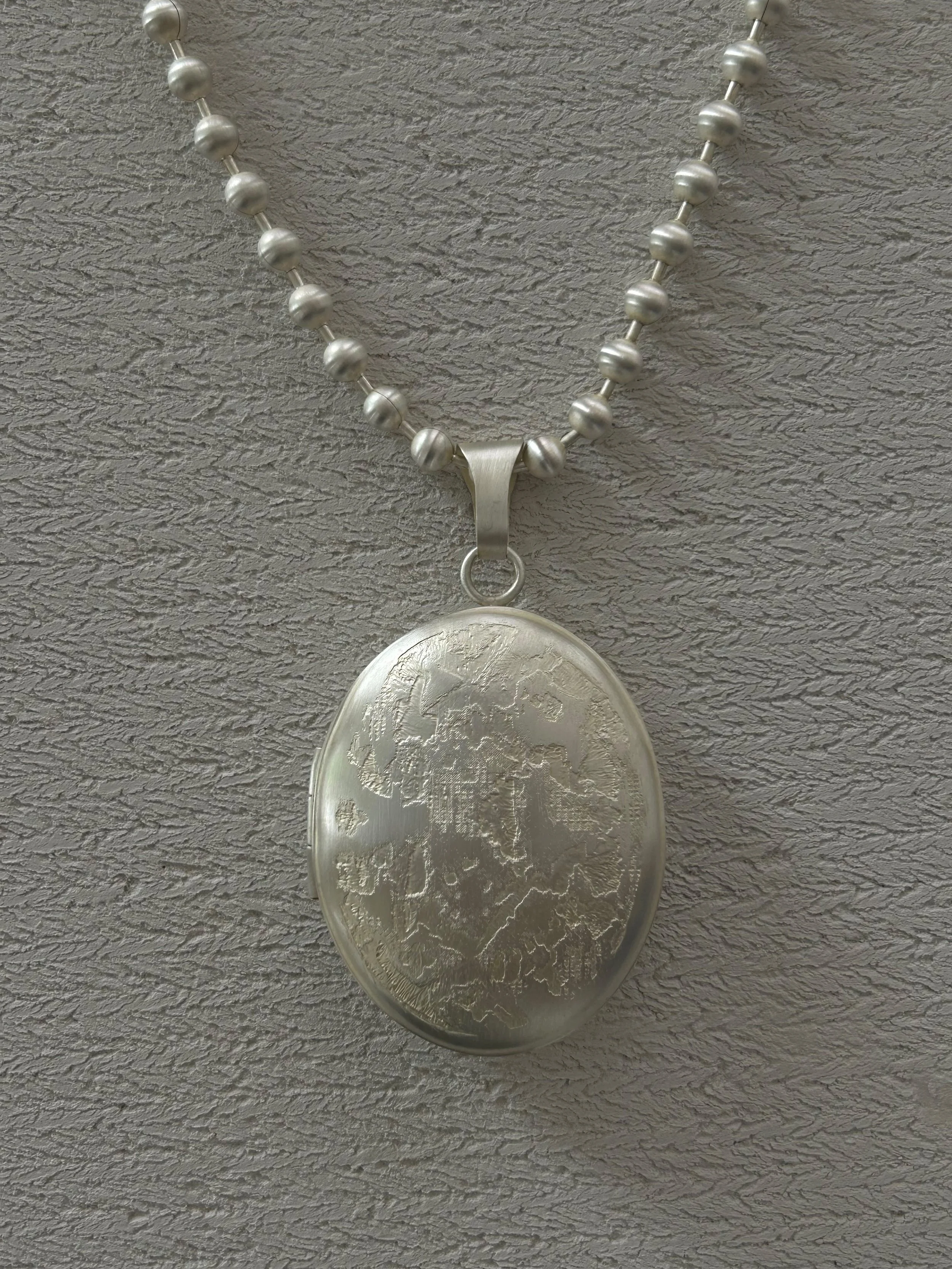
For my diploma piece, I developed a way of transferring my own pattern onto metal using a laser cutter and then etching it into the surface. I spent weeks experimenting because I hadn’t used that technique before. When it finally worked, it was incredibly rewarding. It showed me how much I enjoy pushing a technique further and finding solutions through experimentation.
Has comparing your work to other designers ever affected you?
Definitely. There was a period when I followed many jewellery designers on Instagram because I wanted to find inspiration. Eventually, I unfollowed almost all of them because I realised that it was affecting me negatively.
I began wondering why I should continue when other people were already successful or creating work that appeared similar to mine. Instead of inspiring me, it made me feel insecure.
My best friend, who is a painter, experienced something similar. She reminded me that this way of thinking often comes from the creative bubble around us. Outside of it, many people have no idea how a piece of jewellery is made and can be fascinated by something that feels completely ordinary to me.
I think perseverance is one of the most important parts of working creatively. My work and audience have changed several times since I began at eighteen. I lost followers along the way, but those changes were necessary. As my taste, skills and interests develop, my work has to be able to grow with me.
Your next step is moving to Berlin for an internship. What do you hope to learn?
After completing my training, I sent around twenty five applications to people and studios whose work I admired. More than half never replied, not even with a rejection. That was difficult because every application required time and thought.
The internship I eventually found felt right from the beginning. We first spoke on the phone and later met in Berlin. We spent two hours talking about jewellery, business and our expectations. I felt that my previous work was genuinely seen and appreciated, even though I am still at the beginning of my career.
After organising every part of my own business for the past five years, I am curious to experience someone else’s process. I want to understand how another person develops ideas and manages a creative practice. I also want to learn how to give up some control. I have always preferred doing everything myself, but collaboration can create possibilities I would not find alone.
What inspires your work?
A lot of my inspiration comes from what surrounds me. Sometimes I notice a small detail, photograph it and return to it later through my work.
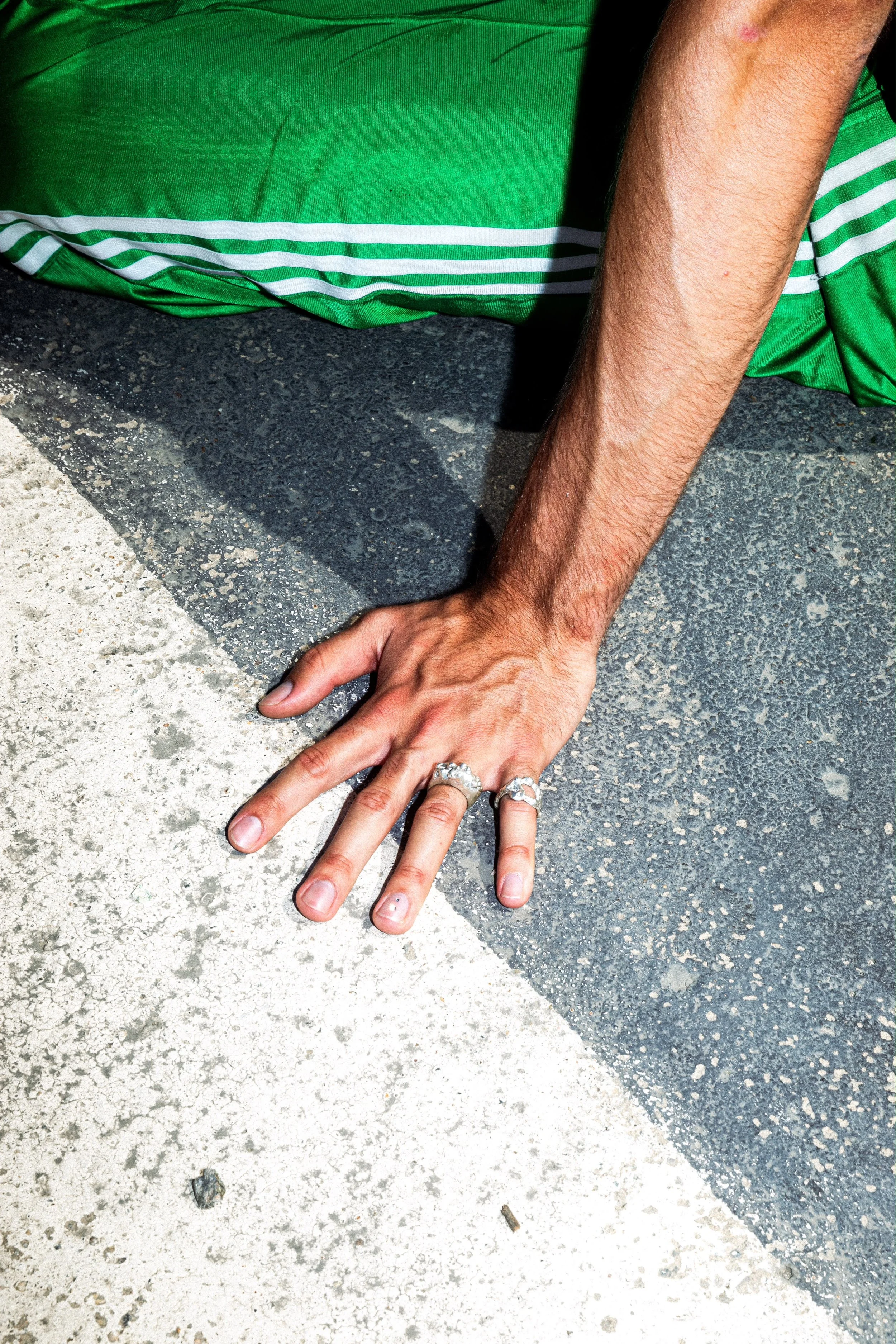
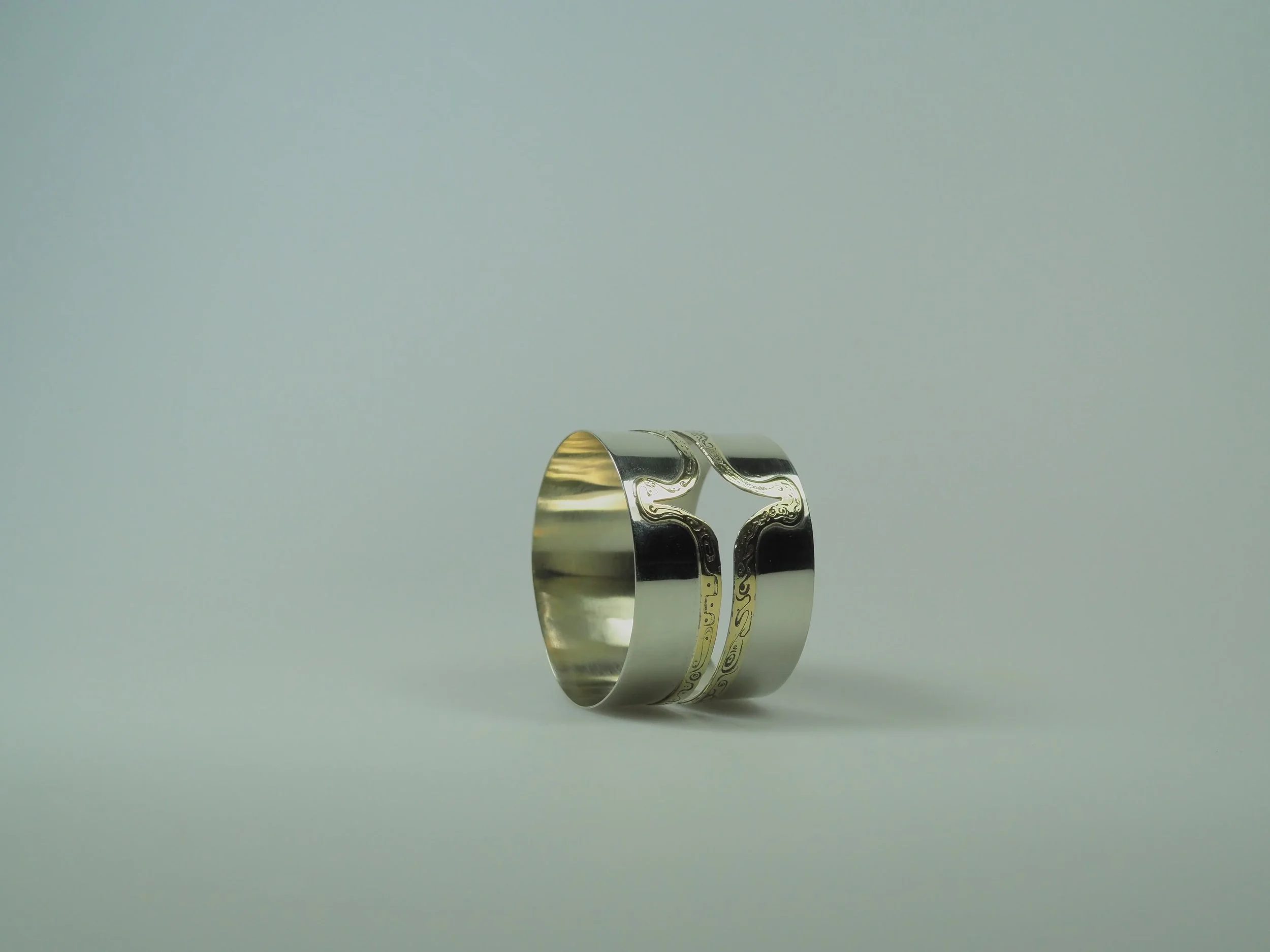
During a trip to Morocco, I saw rocks covered in small shells. I later created a large ring inspired by their structure and surface. More recently, I turned a hand painted check pattern into a brooch.
The sources can seem random, but many of them come from places I have visited and details I notice in everyday life. I like the idea that something you observe only briefly can become an object that someone carries with them.
My friends are another important source of creative energy. Jewellery is my main medium, but my ideas often extend into photography, video and styling. Whenever an idea begins to form, I immediately think of the women around me and how their perspectives could become part of it.
What has been the greatest challenge in building your own creative practice?
For a long time, I wanted to manage everything alone. I was responsible for the idea, production, sales and social media. Part of me liked having control over the entire process, but it also became one of my greatest challenges.
Another difficulty was balancing the business with my training. I often felt that I should continue producing, posting and selling at the same pace. Eventually, I realised that keeping the business active could not always be the most important thing. I needed space to learn and consider where I actually wanted to go.
Now that I have completed my diploma, I can look at the business with fresh eyes. I know that I do not want to be tied to a physical shop, and I am no longer sure whether I want to continue creating custom jewellery.
I would rather take more time and focus on pieces I genuinely find interesting. I am drawn to bold jewellery that might not be intended for everyday wear. I could imagine creating pieces for stylings, editorials or photoshoots, where they can become part of a larger visual world.
What advice would you give to another woman who wants to begin making jewellery?
I would tell her to understand that jewellery can be many different things. It is not limited to metal or to a traditional object worn on the body. Entering this world means being open to different materials, techniques and ideas.
Depending on the direction someone wants to pursue, I would recommend some form of foundational training. My education helped me understand the range of possibilities within jewellery and showed me that it can be much more than a decorative object.
Most importantly, stay curious and open. At first, unconventional materials or forms might not fit your existing idea of jewellery. But if you allow yourself to explore them, an entirely new creative world can open up.
What would you like people to feel when they wear one of your pieces?
Fast fashion also exists in jewellery. It is easy to buy several inexpensive pieces, wear them briefly and replace them when they begin to discolour.
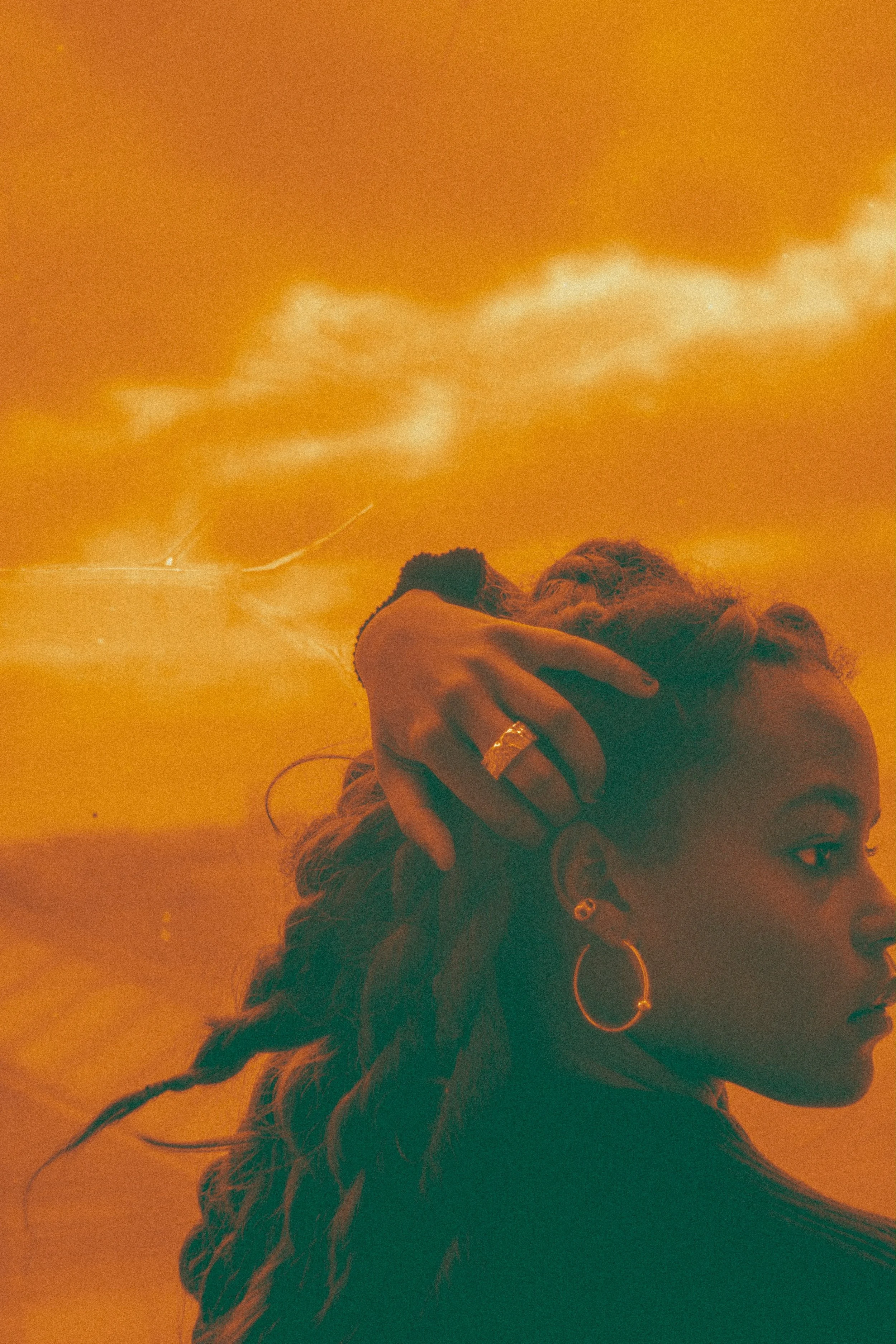
I would like people to look at my work and recognise that a person created it with her own hands. I want them to understand the time, thought and craft held within the object.
A handmade piece can stay with someone for many years and gradually become part of their identity. Rather than owning many pieces that quickly lose their value, I like the idea of choosing one small work of art that can accompany you through life.
What does motion mean to you, in your life and in your work?
I have noticed that motion seems to enter my work in a rhythm of around two years. Every few years, new thoughts appear and bring fresh energy into what I am doing.
Sometimes I was no longer satisfied with the quality, material or technique I had been using. At those points, changing the concept became more important to me than protecting the profit or keeping the same audience.
That movement has always begun within me. As I change, my work has to change too. The people I meet also create motion in me by introducing new perspectives and possibilities.
For now, I see motion as the willingness to respond when something no longer feels right and to allow the work to move in a new direction.
Want to keep up with Laura?
Follow her Instagram under https://www.instagram.com/lauraalight?igsi=aTJjMTYyZjZuMmIx
