
vol v: JEWELLER EMMA
ANIMA SESSIONS VOLUME 5
Long before this conversation, Emma and I met through mutual friends at a small pub in our home province of South Tyrol in northern Italy that now exists only in memory. Growing up, it was an important place for us, a place where people came together and found a sense of energy within the otherwise quiet rhythm of life in the mountains.
That evening, there was something distinctly creative about Emma’s presence: a quiet individuality that suggested she would always find her own way of expressing herself rather than follow a path already laid out for her.
Today, Emma works as a jeweller, creating bold pieces that she sees not simply as accessories, but as extensions of the body. Her path has taken her from studying goldsmithing in Rome to an internship in Georgia, shared creative studios in Vienna, and now towards a new chapter in Antwerp.
In our conversation, we spoke about choosing a creative path without a clear roadmap, the tension between craftsmanship and artistic freedom, jewellery as a way of feeling more like yourself, and the constant movement involved in finding your own direction.
How did you first get into jewellery design, and what made you feel that it could become more than an interest?
For me, it happened relatively randomly. After spending time in Mexico and seeing how people worked there, I reached a point where I thought: Okay, I don’t really want to study right now. I was very focused on finding something that genuinely interested me and that I would actually enjoy doing.
At some point, I realised that I needed to find something for myself. That was when I started researching jewellery design and goldsmithing. I mainly wanted to find something that allowed me to work with my hands and hold a physical result at the end, something I had created myself.
Had you already considered learning a craft while you were still at school?
During school, I had already been very tempted to attend a vocational school and train in a craft. What held me back was how conservatively vocational education was viewed where we grew up. If you were a woman and said you wanted to train as a metalworker, people immediately looked at you differently.
I think that if I had grown up in a different environment, where this attitude was less present, I would have seriously considered it. But where we came from, vocational school still carried a very negative stigma, even though these professions are incredibly important and often highly demanding.
How important was it for you to find work that you genuinely enjoyed?
It was also essential for me to find work that I genuinely enjoyed. Many of my friends say: “I don’t need a job that I’m completely passionate about. I want to enjoy my free time and the time I spend with my friends.” I actually find that attitude impressive, but it doesn’t work for me. I need to feel that I genuinely like what I do. Of course, you have holidays and free time to enjoy, but you still spend a huge part of your life working.
For all those reasons, I eventually thought: Okay, I’m simply going to try.
That decision led you to a goldsmithing course in Rome. How did you find it, and what did the experience give you?
I found the programme online. I had always been drawn to the idea of continuing my education in Italy, and discovering a course in Rome immediately felt exciting. It gave me the opportunity to explore goldsmithing while building a life in a city I genuinely wanted to experience.
What did you learn there, and how prepared did you feel once the course was over?
The course was called, I think, Goldsmithing and High Jewelry. I learned a lot. It opened up a whole new world of techniques and possibilities for me.
But once the course was over, there was no clear path ahead. I had gained all these new skills, yet I was still asking myself: Okay, what do I actually do with them now? I knew how to begin making jewellery, but I still had to find my own way forward.
How did a spontaneous message lead you´ll the way to Georgia?
I had been following Maria Khas, a goldsmith whose work I really admired for a long time. At some point, I decided to simply write to her, even though I didn’t expect her to answer.
But she did. We started talking, and eventually she invited me to come and work with her in Georgia. It happened very spontaneously—I saw the opportunity and immediately knew I wanted to take it.
What was it like to actually work with her in Georgia?
I spent three weeks with her in Georgia and completed an internship. I later discovered that she didn’t usually accept interns. She worked alone in her studio and sold her pieces online.
She told me that people often wrote to her asking: “What do I need to become a goldsmith? Which tools should I buy?” Apparently, my message felt different because I already knew something about the craft and had genuinely engaged with it. At some point, she simply invited me to come to Georgia and learn from her.
I immediately agreed, without needing much time to think about it. She was surprised by how spontaneously I accepted the invitation and decided to travel to Georgia. Looking back, I think that willingness to simply try something, even without knowing where it might lead, it has shaped many parts of my journey.
When you returned, how did you begin building a working life of your own?
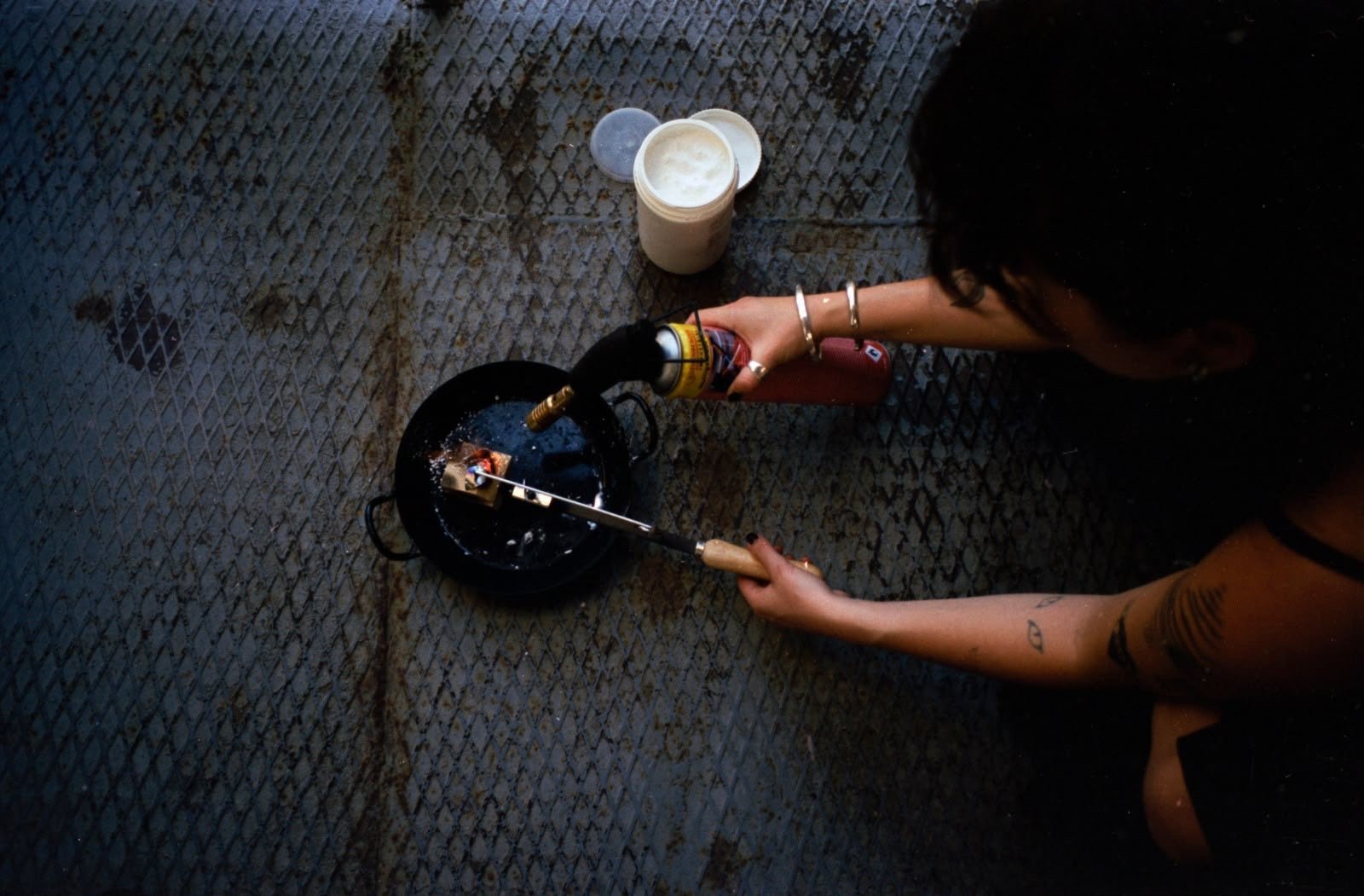
When we moved into our new apartment, we had a storage room. We completely transformed it so that I could use it as a small workshop. It took forever, probably around six months, until I could properly work there, because all the tools required to work efficiently are expensive.
For a while, it worked well. But eventually, we needed the room as a guest room again, which meant I had to find somewhere else to work.
What changed when you moved into a shared studio?
Eventually, I found a place in a shared studio. It was initially supposed to be a temporary solution, but being around the people there made me realise: Okay, I need this. I need to be surrounded by other people who are creative and make things. I also need a neutral space where I can genuinely focus on my work.
Finding that studio was a matter of very lucky timing. I happened to see my friend Mathilda. She told me that some friends of hers were looking for someone to join their new studio. I went there that same day, met one of the people working there, and after we talked, they simply said: “Yes, that works. Come and join us.”
The studio brought together people from different creative fields. There were photographers, a seamstress and, eventually, another person who also began making jewellery. Being part of that environment showed me how much I value working alongside people who are developing their own ideas, even when we are not all working in the same medium.
What made jewellery the right medium for you?
I think it is because jewellery is an art form that is also deeply rooted in craftsmanship.
Traditional goldsmithing might not always be described purely as an art form. If you work as a classical goldsmith, you are often more of a craftsperson than an artist. But there is also another side to it: creating unique pieces that may be less practical for everyday life and function more as pieces of art, special works that someone might wear only for a particular occasion.
I loved the fact that jewellery could be both.
How has your own visual language developed?
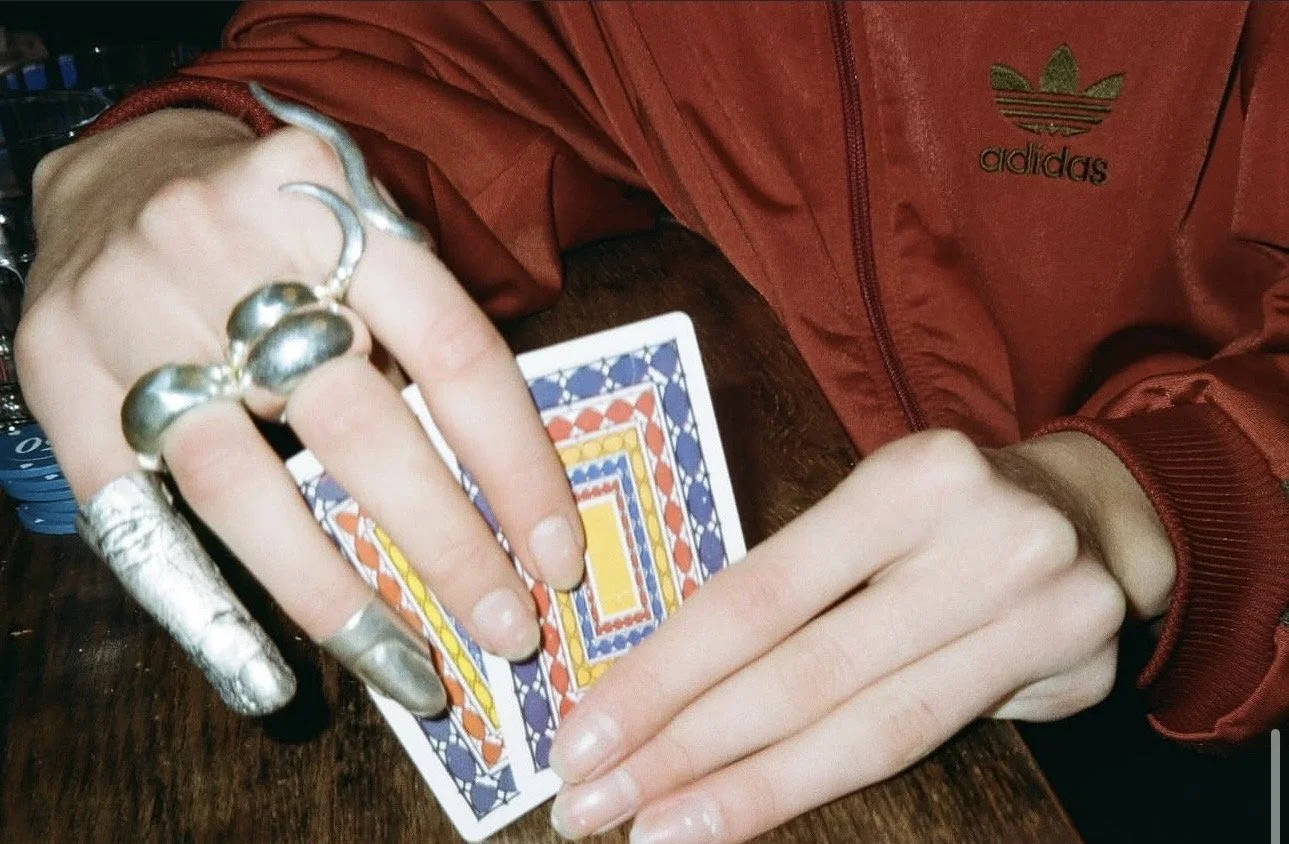
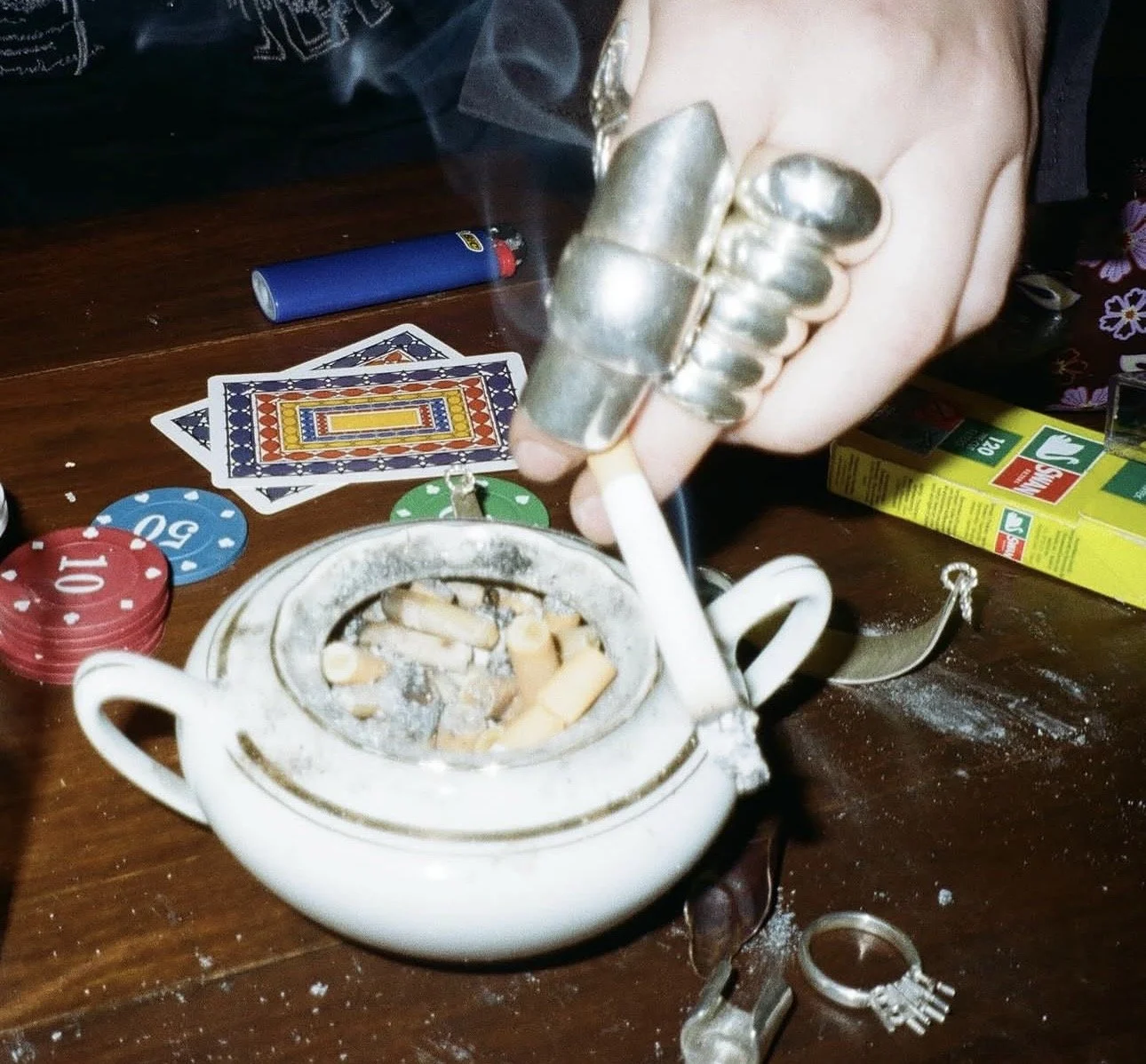
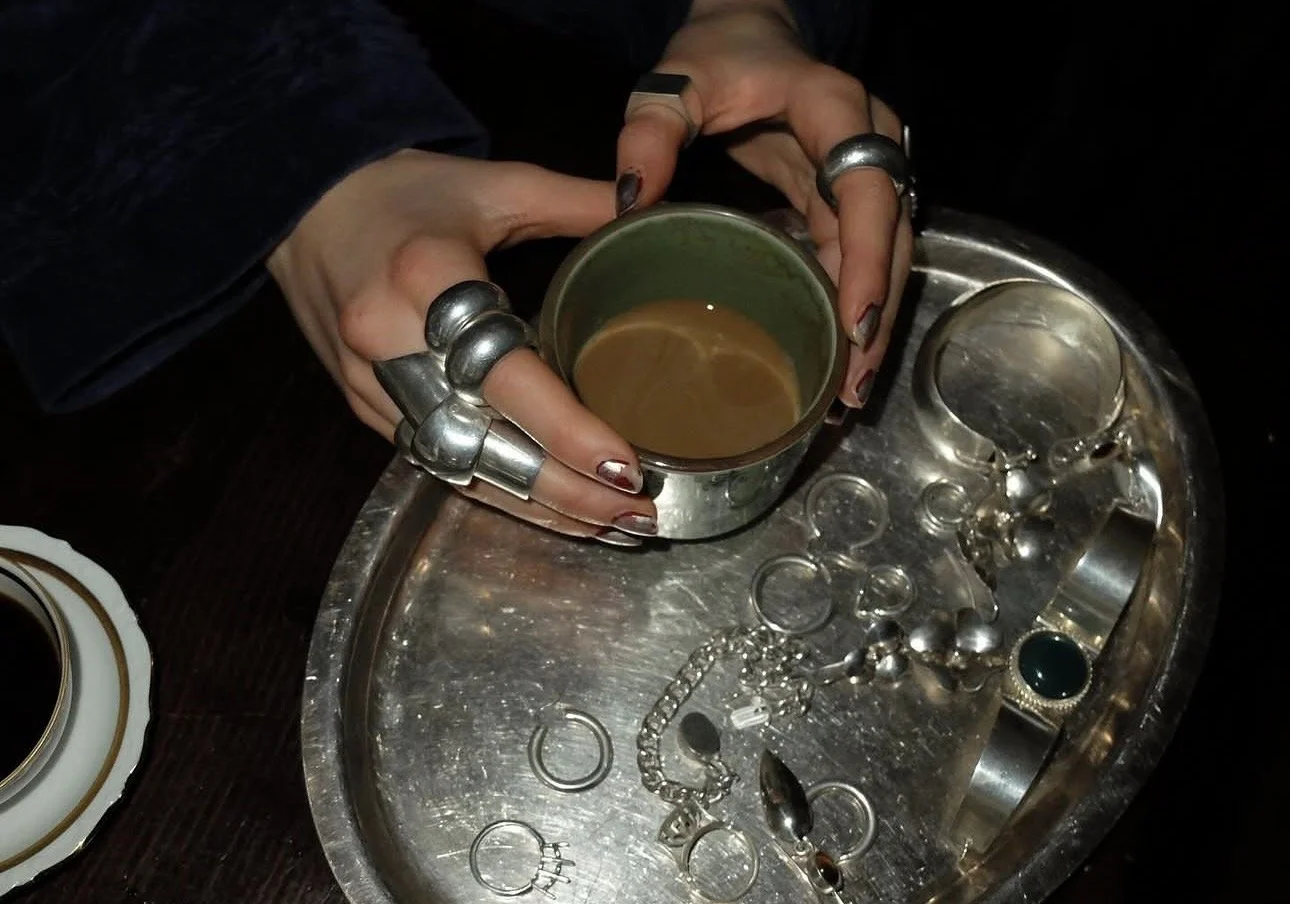
Looking back at everything I have created, I’ve realised that I don’t see jewellery as something separate from the person wearing it, but as an extension of the body.
I draw a lot of inspiration from the body and from the way jewellery interacts with, follows and transforms it. I love creating bold, unconventional pieces, the bigger and more striking, the better. At the same time, I don’t want them to feel overloaded. Even at their most expressive, there is still a certain simplicity to them.
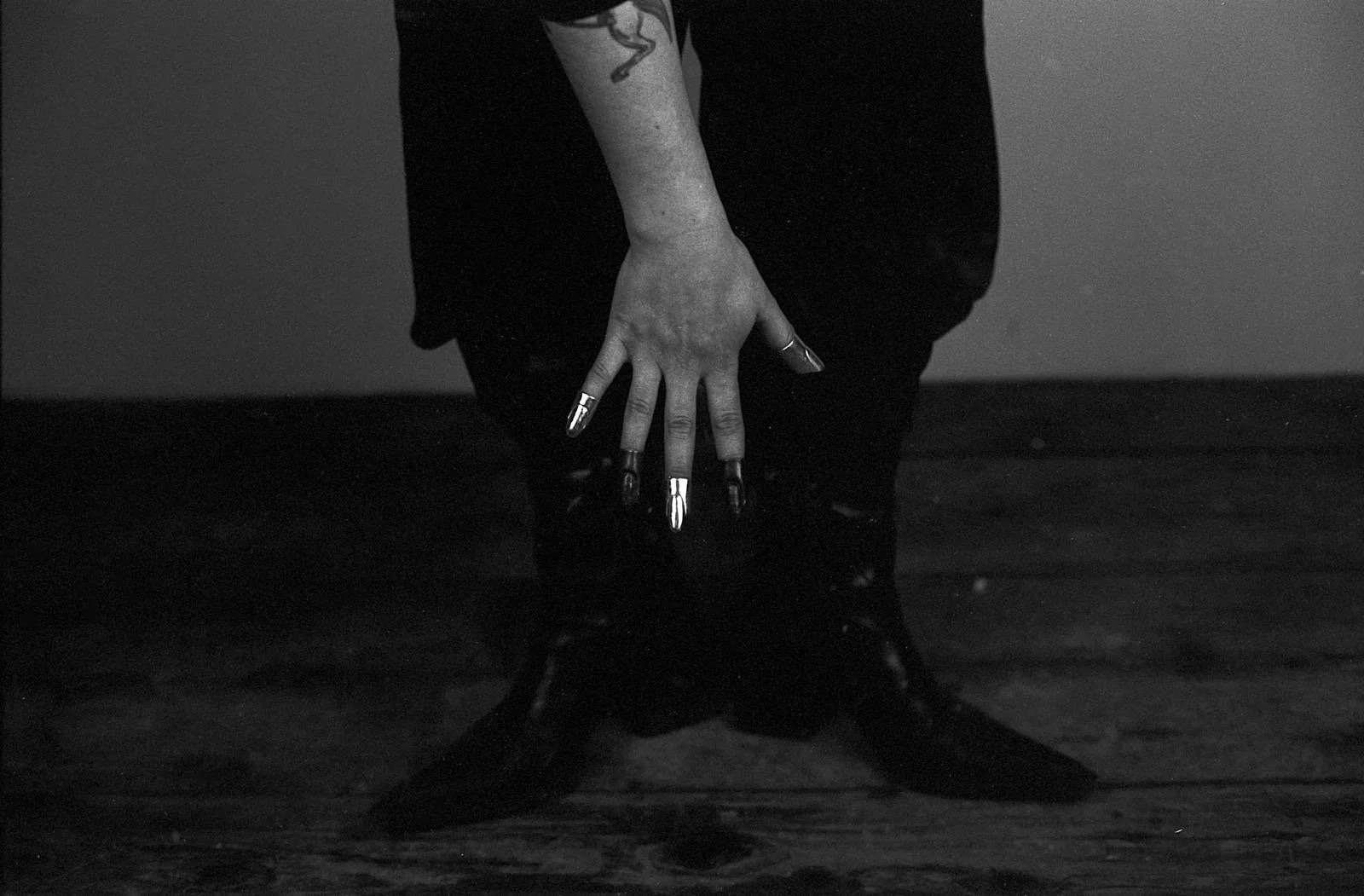
Image Credit: Luca Wollenzohn
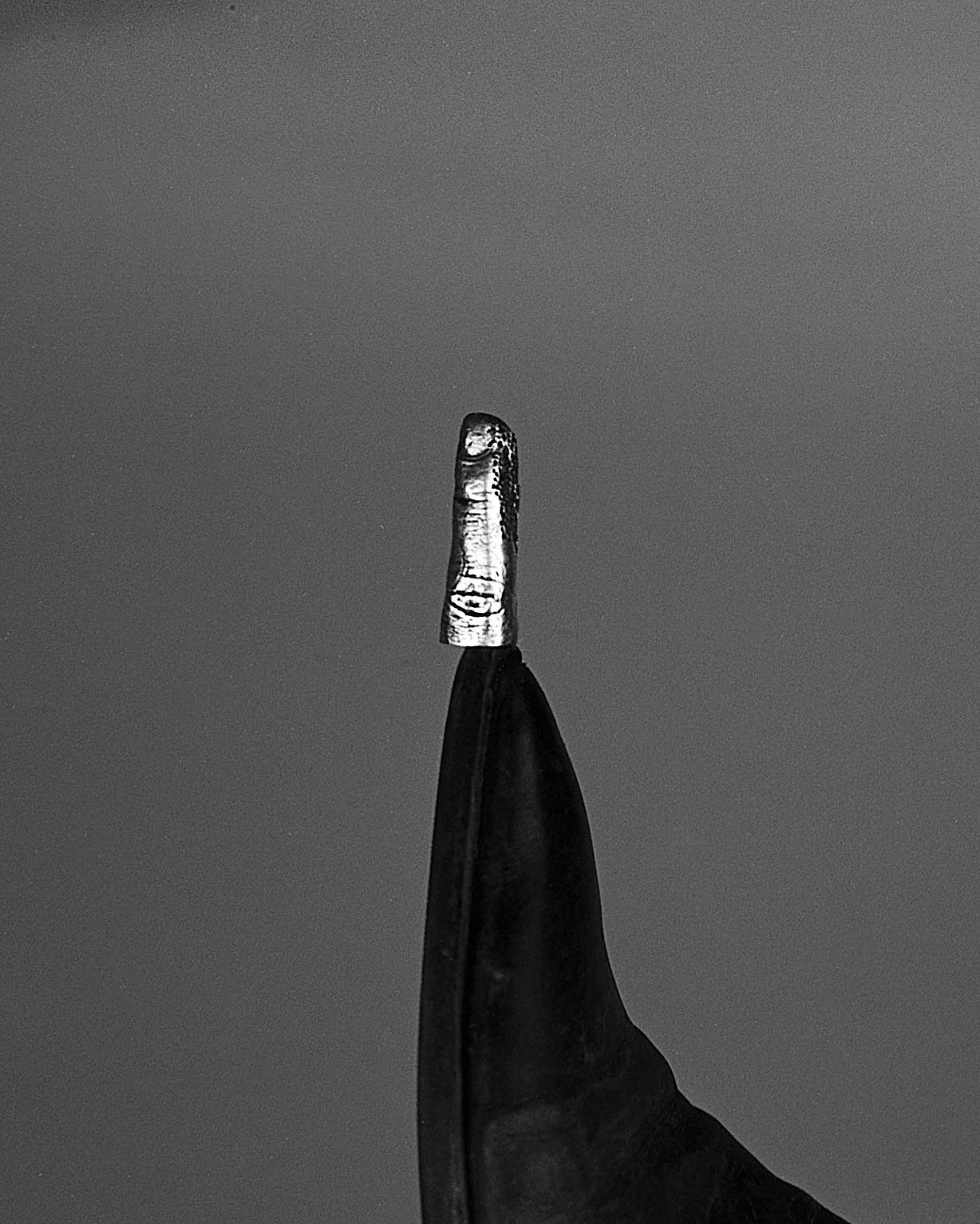
Image Credit: Luca Wollenzohn
What do you mean when you describe jewellery as an extension of the body?
When I call jewellery an extension of the body, I mean something that becomes part of me. Jewellery gives me a lot of confidence. Like clothing, it is a way for me to feel more comfortable within myself.
I don’t wear these things for anyone else. It isn’t about impressing other people or changing the way they look at me. I simply feel better in them, more like myself and more comfortable. Jewellery helps me carry what I feel inside to the outside.
On the rare occasion that I take off my jewellery or realise I have forgotten my rings, I usually go back to get them. Without them, I genuinely feel naked. I recently discussed this with my mother. She wasn’t wearing her earrings and said that she felt less dressed, even though jewellery obviously isn’t clothing. It is simply another form of it. For me, it is genuinely about how I feel in it.
What are you looking forward to most about beginning this new chapter in Antwerp?
I’m excited to live in a new city, meet people who approach jewellery and creativity differently, and be surrounded by new influences. I want to see how Antwerp changes the way I work, what I create and how I think about my own practice.
Right now, Antwerp feels like much more than a single project. It is a chance to step outside what I already know, develop my craft and discover a new direction for my work. I don’t know exactly where it will lead yet, but that is also what makes it exciting.
The series is called Women in Motion. What does motion mean to you, in your life and in your work?
In relation to my life, motion is everything we have spoken about: continuously discovering which direction to take, trying new paths and allowing yourself to change your mind during the process.
In my work as a jewellery designer, motion is about creating something for another person that they may then carry with them through life.
I find it crazy to create a new piece for someone and imagine that, ideally, they might wear it for the rest of their life. That feels special because very few things we make remain with someone and continue moving through the world for that long. I can create pieces that become part of people’s lives and part of the way they move through the world. That is where I find motion.
Want to keep up with Emma?
You can find links to her social media below
