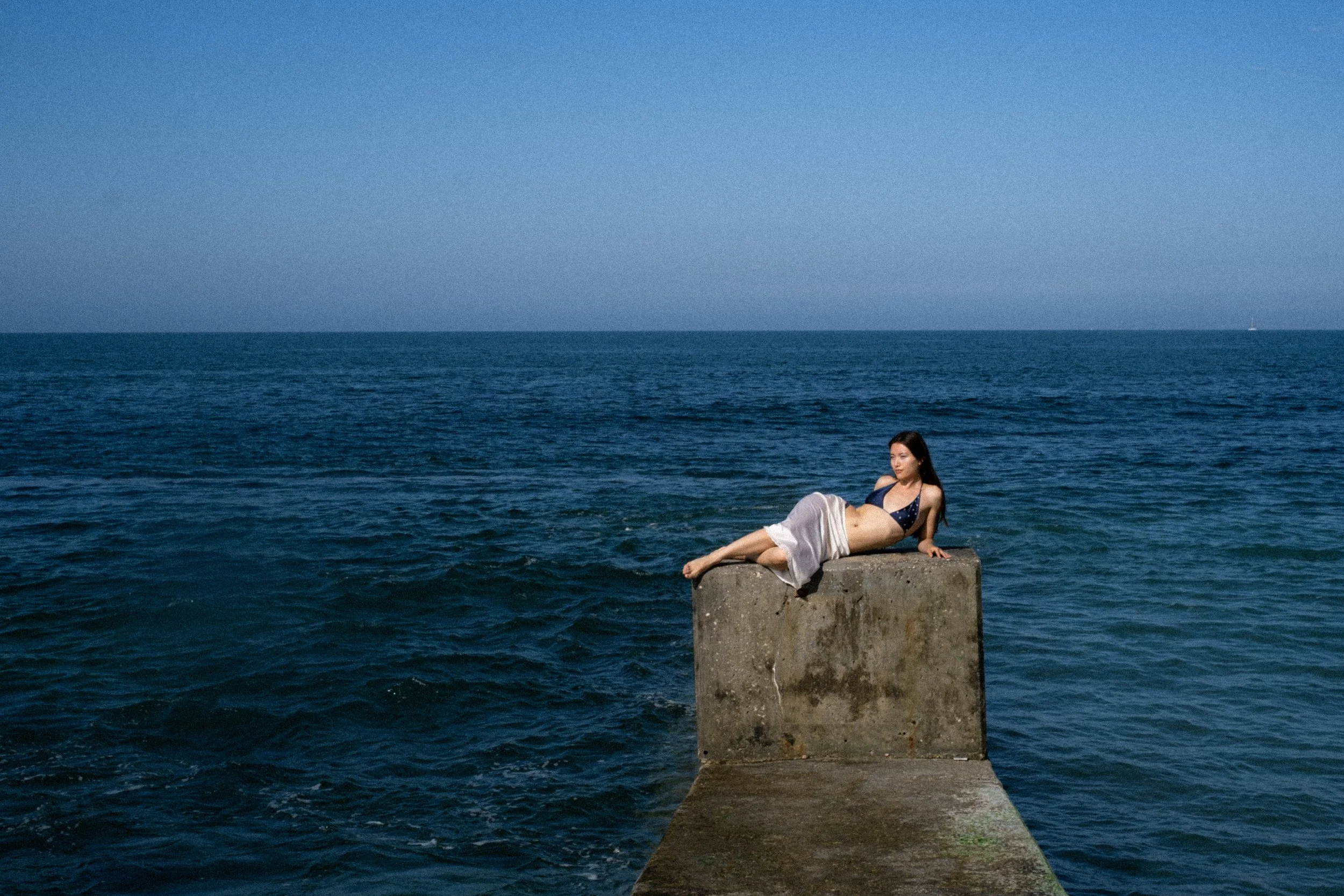
VOL VI: PHOTOGRAPHER PAULETTE
ANIMA SESSIONS VOL 6
I first met Paula one summer in Vienna while I was sitting outside a café with my friend Lara. Paula was inside when she heard Lara’s familiar laugh, recognised it immediately and came outside to join us.
Looking back, this first encounter already revealed something that became even clearer during our conversation: Paula has a natural attentiveness towards people. She notices their energy, their presence and the small details that make them distinctly themselves. This sensitivity also shapes her photography and the connections she creates with the women in front of her camera.
Today, Paula works across portrait, fashion, brand and wedding photography. After studying photography in Vienna, her path took her to Lisbon, where she built a creative network by reaching out to models, artists and brands. More recently, she has also begun expanding her work into film.
In our conversation, we spoke about finding her way to photography, creating an environment in which women feel seen and at ease, building a creative career through initiative, and learning to trust yourself before you feel entirely ready.
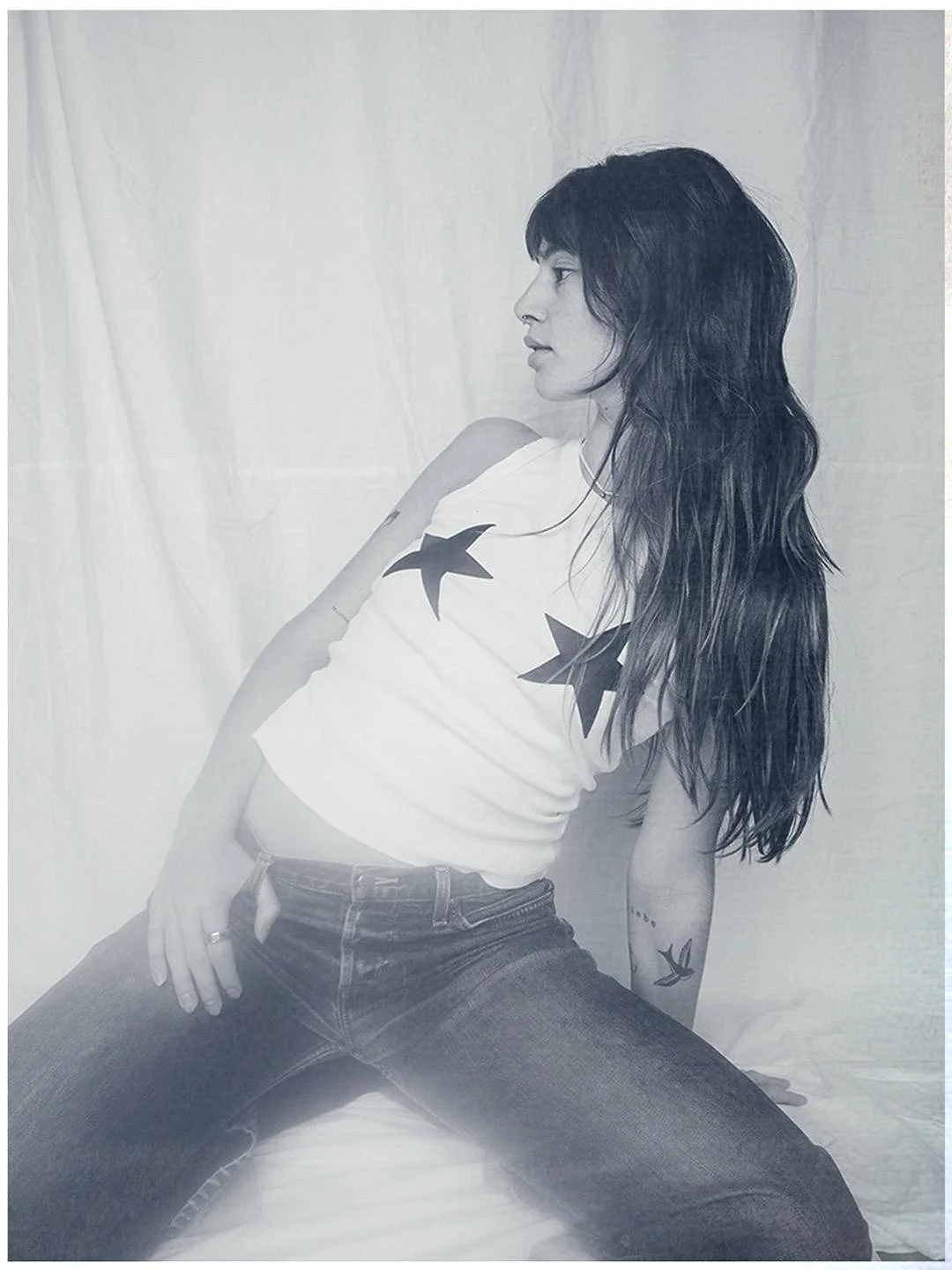
How did you first find your way into photography?
It sounds cheesy, but photography was somehow always there. Even as a child, I was interested in it. When I was around ten, I would style and photograph my friends, and I even had shirts with cameras and “I love photography” printed on them.
Then puberty happened, and photography itself faded into the background for a while. But my interest in visual language never really left me, I continued to see and understand the world through images. After finishing school, I moved to Vienna and began exploring where photography could take me.
I was only eighteen and didn’t know any self-employed people or artists, so I had no idea how to turn something creative into a profession.
Where did you begin learning photography professionally?
I studied photography at Die Graphische in Vienna for two years. I didn’t enjoy everything about the programme, and some parts felt outdated, but it taught me a lot; especially about what I wanted to do differently.
What helped you believe that a creative career was actually possible?
Surrounding myself with people who were doing the same thing or were already further along really helped. I needed to see that this kind of life was possible.
When you watch other people build the career you want, you begin to think: Why shouldn’t I be able to do that too? They are not inherently better than me; they may simply have more experience.
Of course, I still compare myself to photographers who have been working for ten years. But I have to remind myself that I cannot compare my income or position to theirs yet. At the same time, I don’t believe it necessarily has to take me ten years to reach my own goals.
I have already found some shortcuts simply by approaching people, asking questions and creating connections. You have to allow yourself to skip certain imaginary steps. Sometimes, you simply have to say: I’m going to do this now.
What makes photographing women particularly meaningful to you?
There is such a beautiful and different kind of energy when a woman photographs another woman. A few days ago, I had my first pregnancy shoot with this incredibly cool mother.
When I moved to Portugal, I didn’t know anyone, so I started contacting women through agencies and Instagram. Through those shoots, I not only created new work but also found a handful of incredible female friends.
What surprised me was how many women told me that they had previously only worked with male photographers. Afterwards, some of them said that the experience with me had felt completely different.
How do you want women to feel in front of your camera?
I believe that the way you make someone feel during a shoot has a huge influence on the final images.
When I work with a woman, I want her to feel as comfortable as possible. I don’t want it to feel like a formal job; I want it to feel more like a girls’ day. That energy and genuine excitement are also visible in the photographs.
Especially when someone is doing a shoot for the first time, there is often a lot of insecurity. People almost always tell me: “By the way, I’m really bad in front of the camera.” And I’m always like: “Don’t worry.” At some point, it simply starts to flow.
Was working primarily with women an active decision?
Yes, but it also developed naturally because my work seems to speak primarily to women.
Most of the people I photograph meet me for the first time at the shoot. By now, I can almost blindly trust that the energy between us will match.
Every request still makes me incredibly happy. The version of me from four years ago would never have believed that someone would discover my work and actively choose me to photograph them.
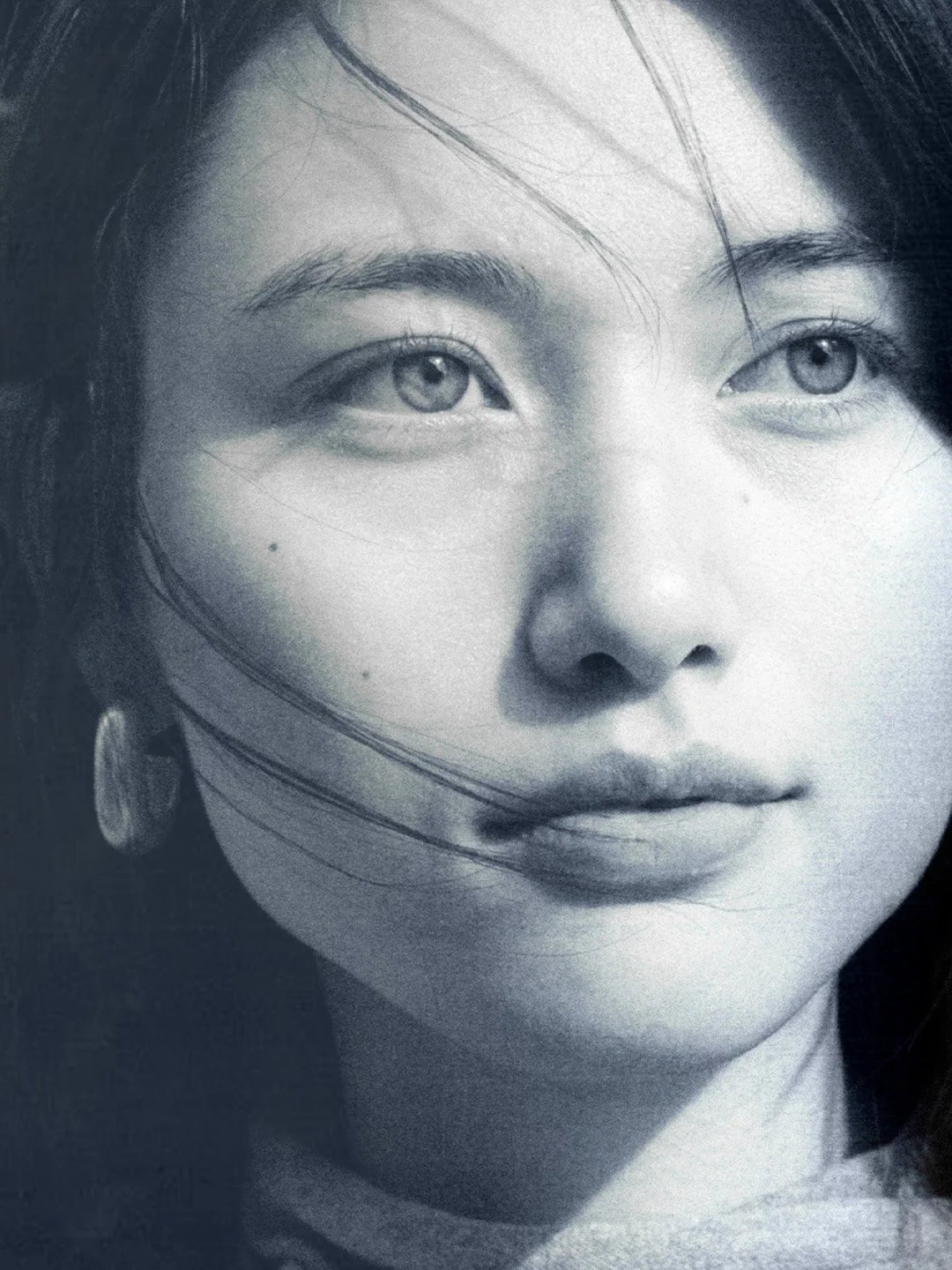
Who or what has inspired the direction of your work?
For years, one of my biggest inspirations has been Kate Bell, a photographer based in Spain. It isn’t only about her photographs but the entire feeling surrounding her work: island life, nature, the sea and something slightly rock ’n’ roll. Her work feels cool, sensual and wild while remaining deeply connected to the natural world.
But I’m equally inspired by the women around me who have their own thing and decide to create something from it, regardless of the field they work in.
Being around people who say, “I really want to do this, so I’m simply going to do it,” gives me an incredible amount of energy. I have become much more intentional about surrounding myself with people who carry that drive within them.
What made you decide to move from Vienna to Lisbon?
I’m a very impulsive person. I found an apartment, and less than two months later, I was living there. I did not know anyone, so I was alone in a new city.
But I also saw it as an opportunity. When you move somewhere new, it almost feels as though you can become a new version of yourself.
I thought: Okay, here I am a photographer. I’m going to make things happen.
How did you begin building a creative network in a city where you hardly knew anyone?
For weeks, I researched models, agencies, photographers and brands. I contacted women whose style interested me and sent email after email.
Often, it felt like sending things into the void. There were days when I thought the world was at my feet, followed by days when I doubted everything. But eventually, one person says yes, and that connection leads to the next.
Lisbon’s creative scene is relatively small, so once you meet one person, you often become connected to many others. Many of the women I photographed there are now my friends.
That is one of the most beautiful parts of photography for me: you spend a few intense hours creating something together and can leave feeling as though you have known each other for much longer.
How did your first jobs and brand collaborations in Lisbon come about?
My first job came through a model I had contacted. We took some simple Polaroids, her agency published them, and that helped introduce my work to more people.
I also began contacting brands I genuinely liked. That is how collaborations with brands such as Gandaia happened: I simply wrote to them. Sometimes, I even walked into shops in Lisbon, introduced myself and asked whether they wanted to create something together.
How much of the creative process do you manage yourself?
Some of those shoots were very DIY. I found the model, chose the clothes and location, did the styling and developed the concept myself.
It creates more pressure, but it also allows my personality to come through in every part of the result.
In the future, I would love to build a small team of women in Lisbon; a group that regularly creates together, shares opportunities and supports one another.
How has your visual language developed over time?
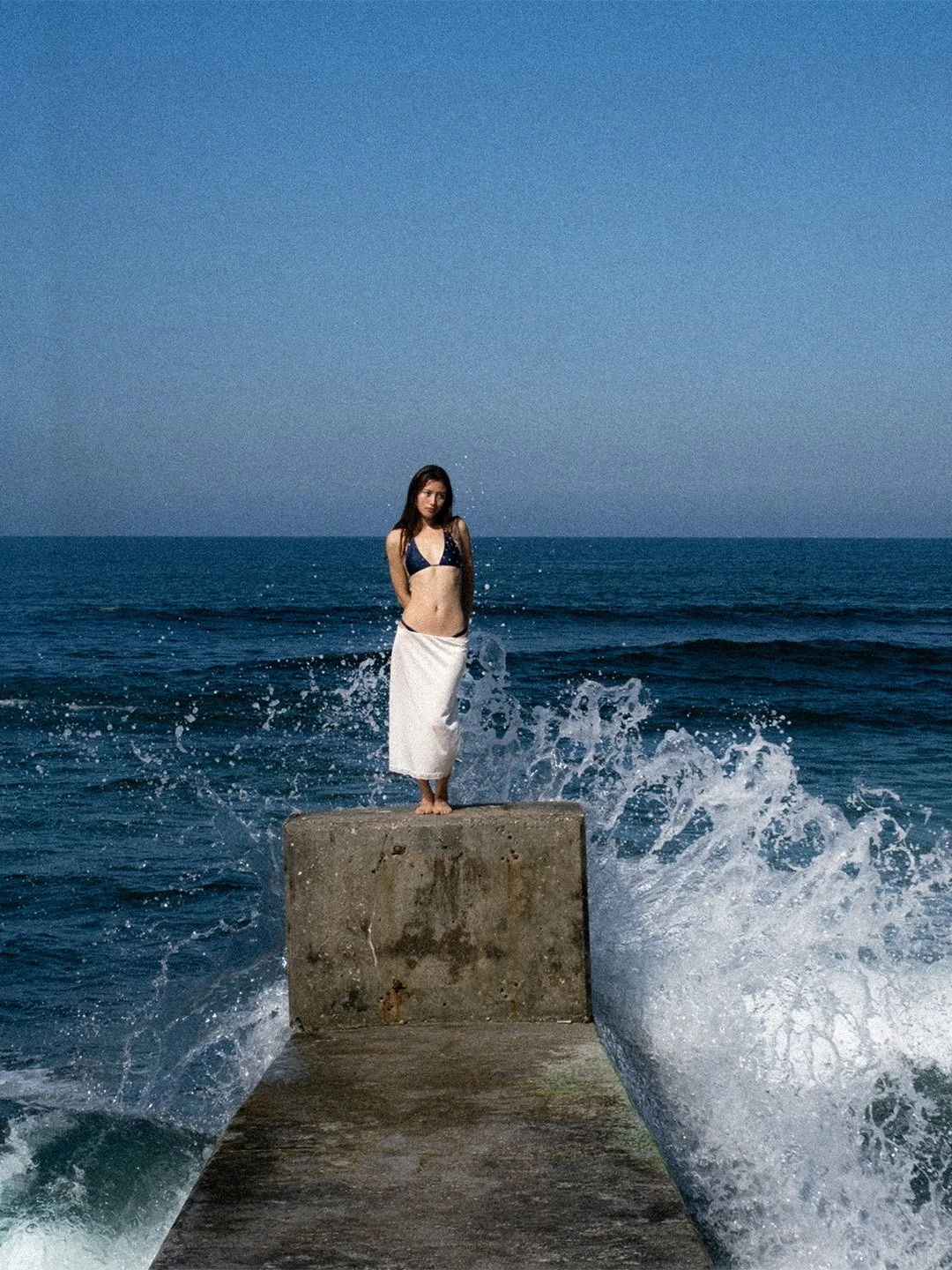
In my head, I still feel as though I need to make my branding stronger and more obvious. But looking back, the feminine and powerful element has always been present in my work.
Earlier, I experimented much more with dramatic make-up, elaborate styling and unusual concepts. Over time, my work became more natural.
Now, I’m drawn to little or no make-up, simple clothing and a stronger focus on the person, the movement, the gaze and the surroundings. I want to bring out someone’s essence rather than cover it with too many additional elements.
I can now tell someone: “Put on jeans and a tank top, and we’ll create something incredible.”
Is there one shoot that particularly represents what you want your work to feel like?
One of my favourite shoots took place in Mallorca two years ago. I was there with friends but wanted to use the opportunity to create something for my portfolio.
Early in the morning, we drove along the coast in an old cabriolet until we reached a quiet location by the sea. We spent around two hours taking photographs in the water and among the trees.
Everything I love came together in that shoot: nature, a strong woman and this special energy between us. The experience itself felt just as important as the photographs.
I understood that it was a building block for the kind of work I wanted to attract. I was creating an example of what I wanted my future jobs to look and feel like.
Now, many of my paid shoots carry exactly that energy.
How did you first become interested in wedding photography?
A close friend of mine has been photographing weddings for years. He repeatedly told me: “Paula, just try weddings. You have everything you need for it: the spark, the excitement and the right energy.”
For a long time, I resisted the idea. I associated wedding photography with something very conventional and not particularly creative.
That changed in Lisbon when my friend introduced me to several other wedding photographers. Through them, I realised how varied that world can be.
There are weddings that feel almost like fashion productions: intimate, editorial and unconventional. You can bring your own visual language into them.
Everything I already loved about fashion, brands and portraiture could become part of the way I documented a wedding. I also realised how well it suited the lifestyle I wanted, with travelling and working in different places.
What helped you take your first steps into the wedding industry?
The photographers I met in Lisbon encouraged me to attend a large wedding photography conference in Munich. I hesitated at first because attending involved a significant investment, and I had no idea what would come from it.
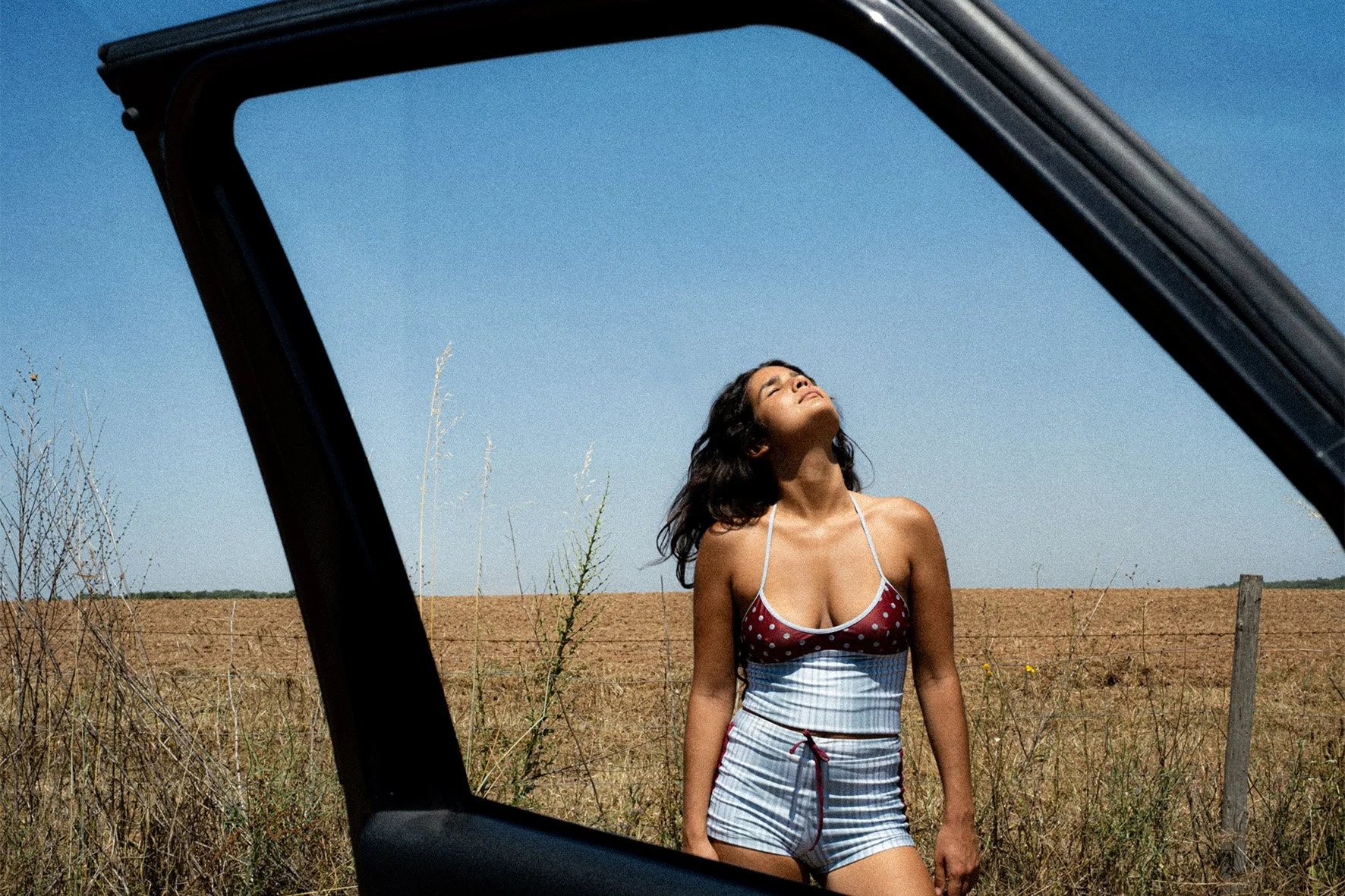
Being surrounded by hundreds of experienced photographers initially felt overwhelming. But once I started talking to people, I realised that I didn’t need to arrive with years of experience behind me. I simply needed to be open, introduce myself and show a genuine interest in their work.
Looking back, attending the conference became an important turning point. All of my second-shooter opportunities this year grew from the connections I made there. It showed me that putting yourself in the right environment and starting conversations can open doors you could never have planned for.
.
What does working as a second shooter allow you to do?
This year, I’m working on around ten weddings, primarily in Italy and Portugal.
Many of them are destination weddings, so within one season, I can build a portfolio featuring places such as Tuscany and Lisbon. That gives me the experience I need to hopefully begin booking my own weddings as the main photographer next year.
How have you experienced the community within wedding photography?
I was surprised by how supportive it can be. Photographers recommend one another when they are already booked and bring each other along as second shooters.
Do you want to focus more on weddings in the future?
Brand and portrait photography remain at the core of my work.
Ideally, I would photograph a few special weddings each year that feel close to my dream projects and leave space for everything else.
You are also expanding into film. What are you currently working towards?
Until now, video has mainly been an addition to my photography. I often brought my camcorder to shoots, but it wasn’t something people explicitly booked.
That is beginning to change. In October, I’m shooting my first full music video in Lisbon.
How did you feel about accepting a project you had never done before?
I was honest and told her: “This is my first proper music video.”
For her, the vision and the person behind the camera mattered more than whether I had already completed that exact kind of project. She trusted that my visual approach suited her.
I think you don’t become ready before doing something, you become ready by doing it.
The reason I trust myself with this opportunity is also that somebody else trusted me first. People like that are incredibly important: people who see something in you and simply say, “Do it.”
What are you most looking forward to right now?
Alongside the music video, I have several weddings coming up as a second shooter. Beyond weddings, I would also love to work on more creative projects and fashion editorials. I’m excited to gain more experience, learn from different photographers and continue developing my own approach along the way.
This year has already developed in ways I never expected. Suddenly, I’m photographing ten weddings and preparing to shoot my first music video. I’m very happy and curious to see where all of it will lead.
What advice would you give to a woman who wants to enter photography or film?
Just go for it. Don’t spend too much time believing that you first need to do something more sensible.
Find people who are already doing what you want to do and contact them. Ask whether you can join them, what their most important advice is or whether they can give you feedback on your work.
I spent far too long worrying about things such as building the perfect website when I could simply have been creating. The most important thing is to do the work and begin seeing yourself as the person you want to become.
If you want to be a photographer, start saying that you are a photographer.
How important is persistence when you are just starting out?
You won’t always receive an answer. Sometimes, you have to write twice or three times and show that you genuinely want to learn.
You shouldn’t feel embarrassed because you are only at the beginning. Everyone started somewhere.
Knowing people is essential in this industry. It creates opportunities, but it also saves you a lot of uncertainty. When you are surrounded by people who are already building the kind of life you want, you begin to understand that it is possible.
You can look at them and think: If they can do it, I can do it too.
The series is called Women in Motion. What does motion mean to you, in your life and in your work?
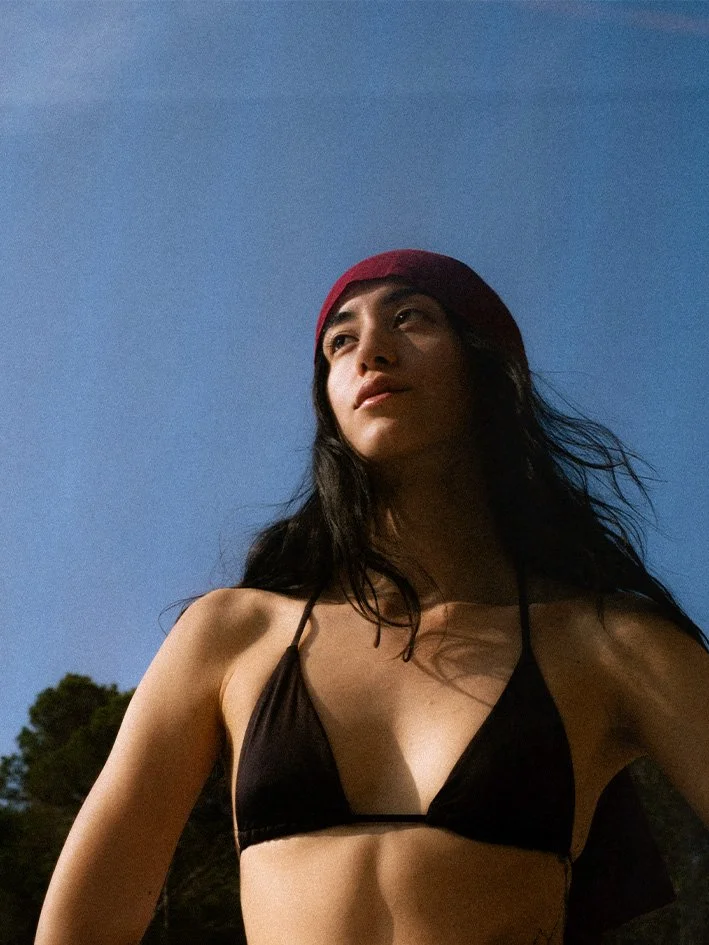
For me, motion is the interpersonal movement between the photographer and the person in front of the camera. There is so much energy being exchanged between them.
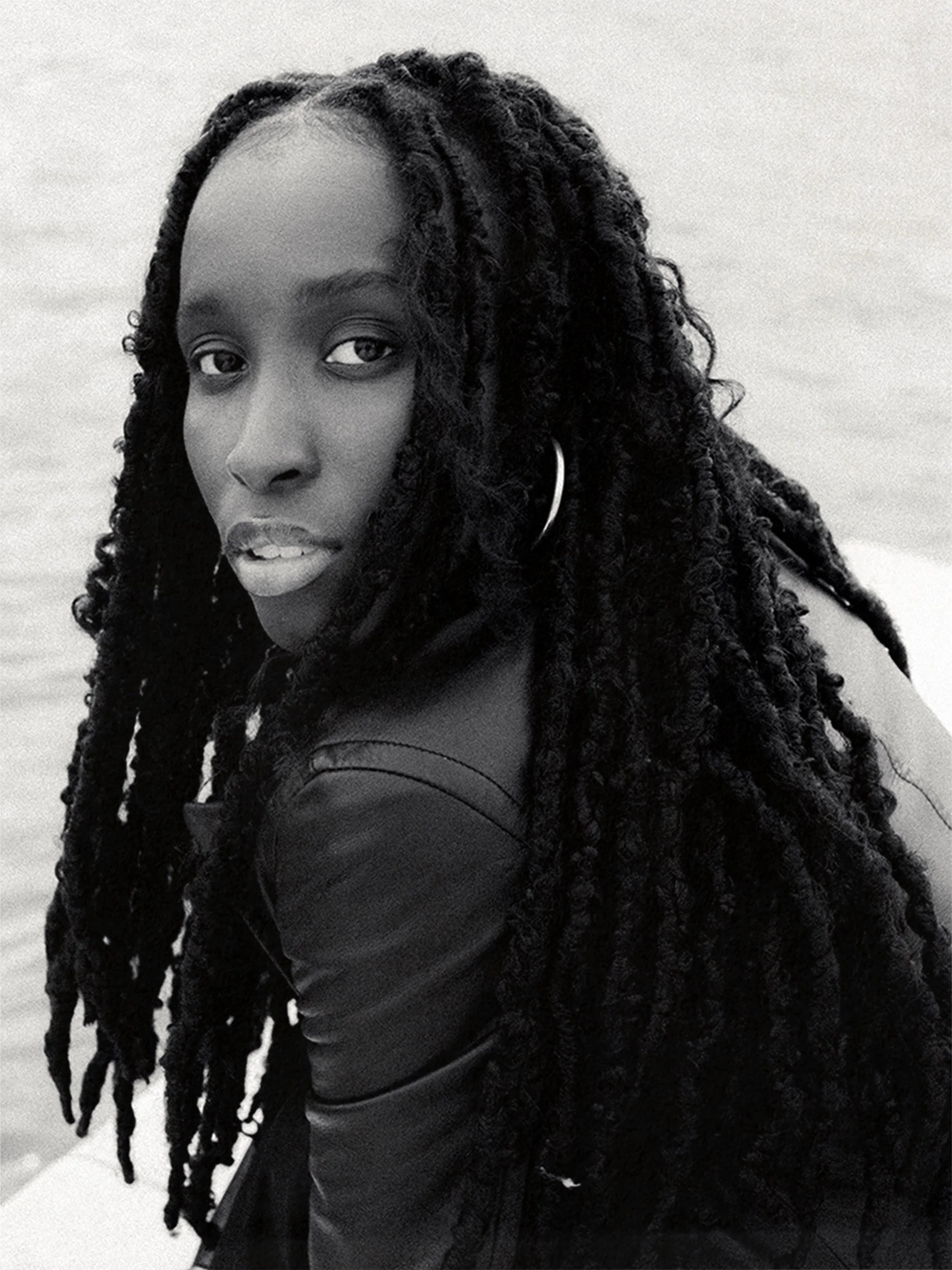
After a shoot, I want the person to feel that something has happened. I want her to feel beautiful, seen and confident, to leave thinking: I want to experience that again.
Photography may appear to be something I do for another person, but it is always mutual. The energy she gives back to me makes me want to continue creating, to begin the next project and do even more.
A photoshoot is very intimate. Standing in front of a camera can feel vulnerable, especially when the photographer is someone you have only just met. I always feel honoured when somebody places that trust in me.
At the beginning, it usually takes a little time for both of us to adjust. Then there is always a particular moment when the uncertainty disappears and we understand one another.
Later, when I look through the photographs, I can often see the exact point at which it happened.
You can begin a shoot as strangers and leave feeling as though you have known each other for much longer. That connection, the energy exchanged between two people and the feeling of being genuinely seen: that is where I find motion in my work.
Want to keep up with Paula?
You can find links to her social media, current work and upcoming projects below.